
LMTC: The Blog
The Real Estate Industry Is Consolidating Fast. What That Means for Anyone Who Wants to Buy a Home.
In the span of roughly twelve months, the residential real estate industry has undergone the most significant structural reorganization in its modern history. Four deals, each extraordinary on its own, have collectively begun reshaping who controls access to listings, who owns the mortgage origination pipeline, who captures buyer data, and who ultimately has the leverage when a consumer sits down to buy or sell a home.
The companies doing the acquiring have framed all of this as progress — better technology, more integrated experiences, greater efficiency for agents and consumers alike. That framing may contain some truth. It also obscures something buyers should understand clearly before they enter the market: the industry that is consolidating around them has interests that are not identical to theirs, and the question of whose interests a platform serves is one of the most important questions in any significant financial transaction.
This piece is not a polemic. It is an attempt to explain what has actually happened, what is still in motion, and what it means in practice for a buyer trying to find and purchase a home in 2026.
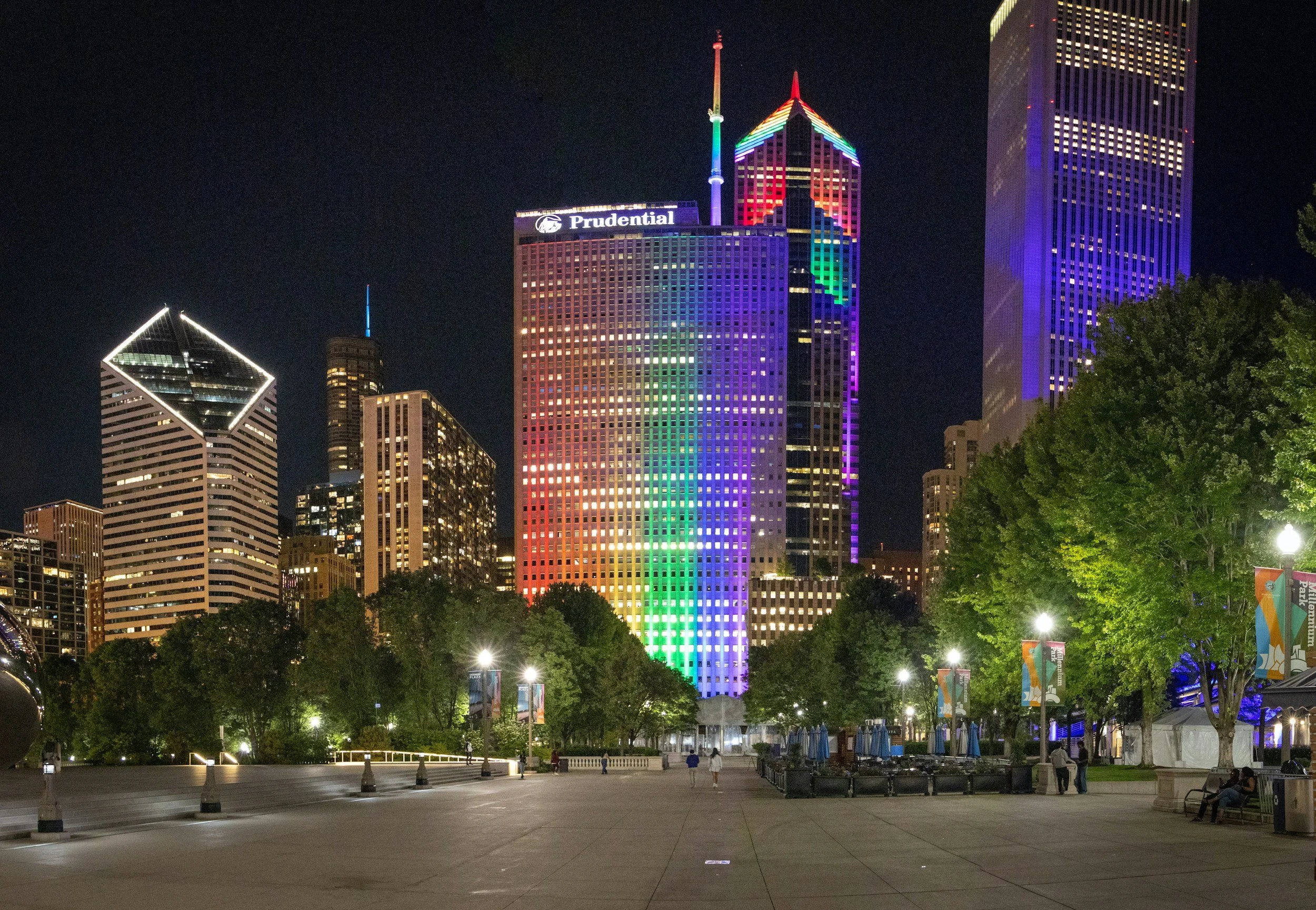
Illinois Has Some of the Strongest LGBTQ+ Housing Protections in the Country. Here's What That Means for Buyers.
For LGBTQ+ buyers evaluating where to put down roots, the legal environment of the state they're buying in is not an abstract consideration. It shapes what protections exist when something goes wrong — in a housing transaction, in a rental, in a workplace. And those protections vary enormously by state.

Chicago's Property Tax Bills Just Hit a 30-Year High. What Every Buyer Needs to Know.
If you're buying in Chicago, the property tax number in the listing is not your property tax number. That distinction has always been true in Cook County. In 2025 and 2026, it matters more than it ever has.
Here is what happened. The Cook County Assessor's Office completed a citywide reassessment of Chicago's residential properties in 2024. The results, which hit tax bills in 2025, were significant: the median residential property tax bill in Chicago jumped 16.7% — the largest single-year increase in Illinois history. For some neighborhoods, the numbers were far more severe. In West Garfield Park, the median homeowner's bill more than doubled, rising from $1,482 to $3,448. In nine predominantly Black Chicago community areas, median residential bills jumped by more than 50%.

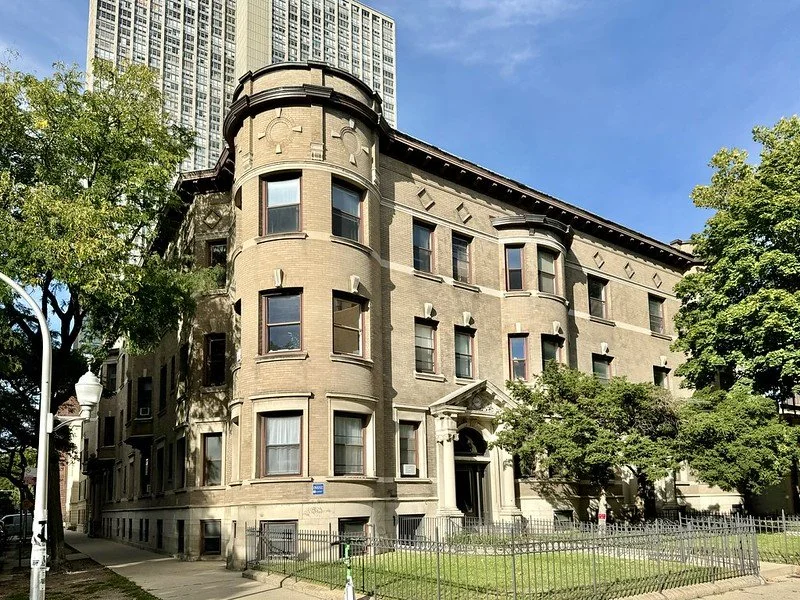
Chicago Has 200 Neighborhoods. Here's How to Find the Right One Before You Buy.
The University of Chicago estimates that the city contains more than 200 distinct neighborhoods. Chicago's official designation divides it into 77 community areas. Either way, the number is large enough that "I'm moving to Chicago" tells you almost nothing about where someone is actually going to live, what their daily life will look like, or what their real estate decision will require.
This is not a quirk. It is the defining feature of the Chicago market, and it is the reason that buying in Chicago without specific neighborhood fluency — either your own or your agent's — is a significantly riskier proposition than it looks from the outside.

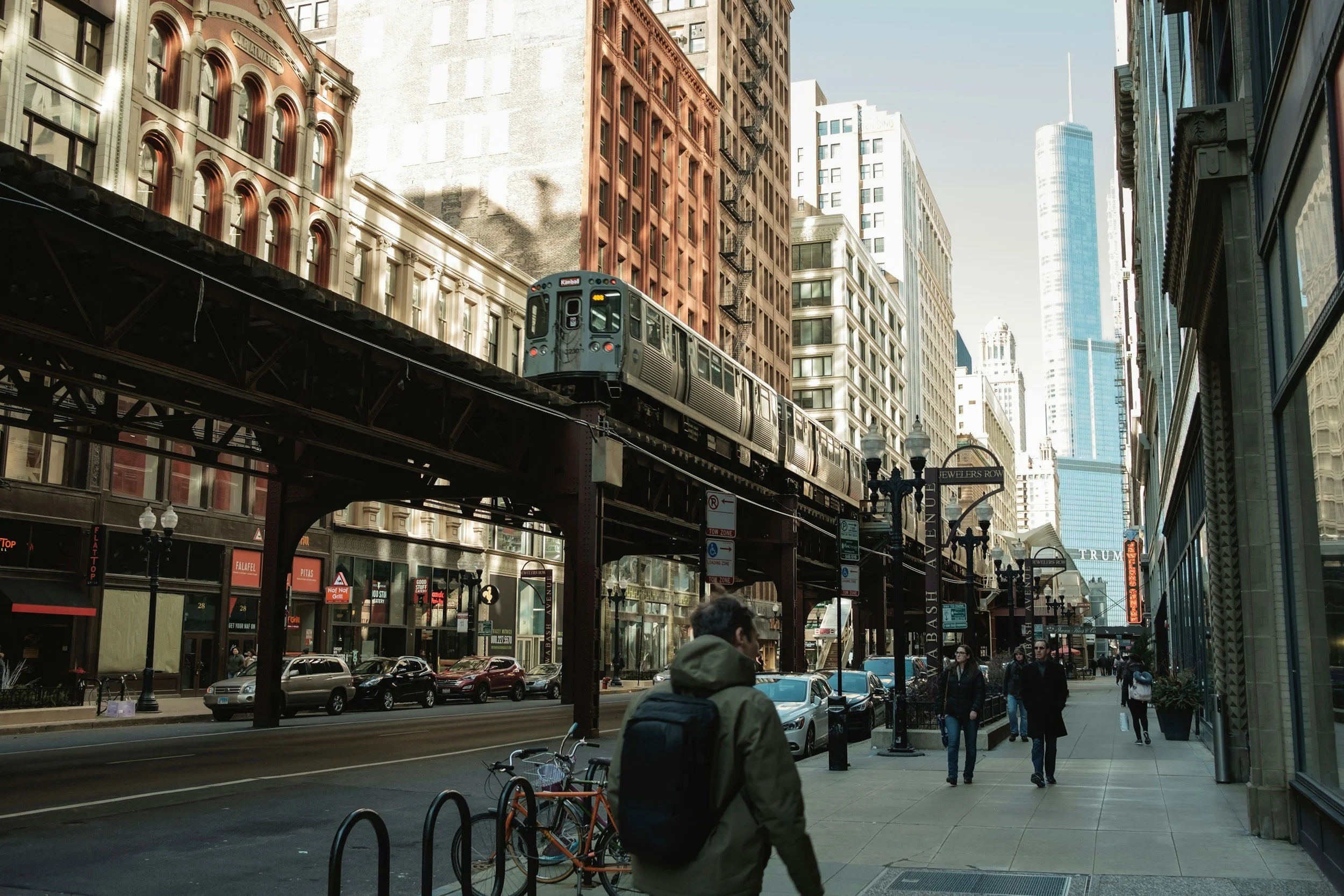
Chicago Is One of the Greatest Cities in the World to Live In. Here's the Unfiltered Picture Before You Buy.
Time Out ranked Chicago among its top 50 best cities in the world in 2026. This is not a surprise to anyone who lives there. It is, however, a useful starting point for people considering a move — because the gap between Chicago's reputation and Chicago's reality is wider than in almost any other major American city, and it cuts in both directions.
The reputation: winter, crime, political dysfunction, property taxes, deep dish pizza. The reality: forty miles of lakefront, world-class architecture, one of the most underrated food cities on the planet, a cultural infrastructure that rivals cities twice its size, and a real estate market that offers a quality of life per dollar that virtually no comparable city in the country can match. Both versions contain truth. The buyers who navigate Chicago well are the ones who hold both simultaneously — who arrive clear-eyed rather than either enchanted or forewarned into paralysis.
This piece is for the person who is seriously considering a move to Chicago, and who wants the complete picture before they start looking at homes.
Chicago Offers Something Almost No Other Major City Can: World-Class Urban Life at a Sane Price
The March 2026 median sale price in Chicago was $410,100. In San Francisco, the comparable figure is well above $1.3 million. In New York, the Manhattan median is over $1 million. In Los Angeles, the median sits north of $900,000.
Chicago has forty miles of publicly accessible lakefront. One of the top art museums in the world. A transit system that lets you live car-free. Architecture that other cities study. A food scene that has fully arrived. Steppenwolf Theatre. The Chicago Symphony Orchestra. Lollapalooza. The Cubs.
And the median sale price is $410,000.