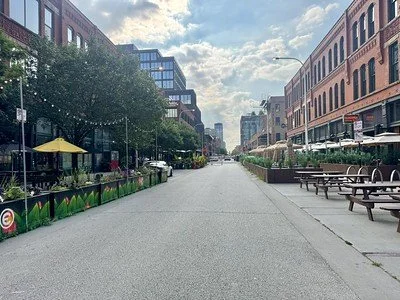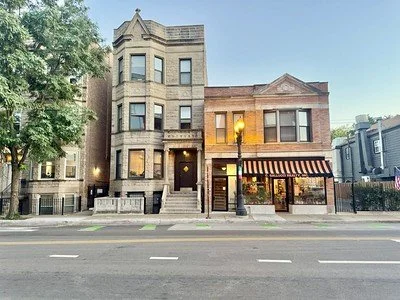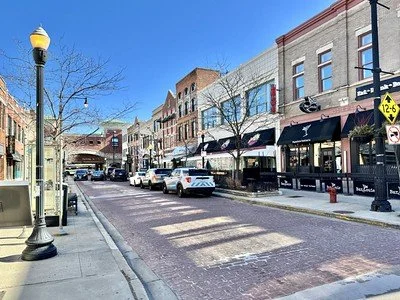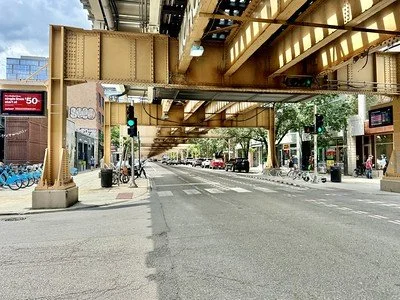
Tri-Taylor & The Medical District
Hospitals, Blue Line, New Condos
MEDIAN: $705,000
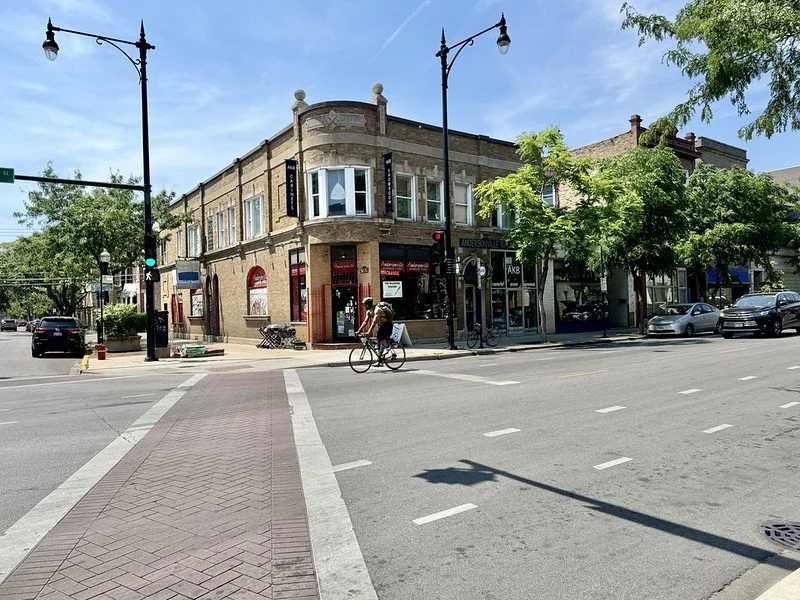
Get to know Tri-Taylor & the Medical District
Tri-Taylor and the Medical District pair a quiet pocket of 19th-century homes with one of the country's largest medical campuses, about two miles west of The Loop. Together they sit on the Near West Side between the Eisenhower Expressway and Roosevelt Road, from Ashland Avenue west to Western Avenue, with Little Italy just to the east.
People move here to live close to work and close to downtown. Rush University Medical Center, UI Health, Stroger Hospital and the Jesse Brown VA Medical Center are all within walking distance, and the Blue and Pink lines reach The Loop in minutes.
The Medical District, created by the state in 1941, fills the eastern blocks between Ashland and Oakley. Tri-Taylor, named for its triangular shape and Taylor Street, fills the west; residents and preservationists saved it from clearance as the medical campus grew, and much of it became the Tri-Taylor Historic District in 1983.
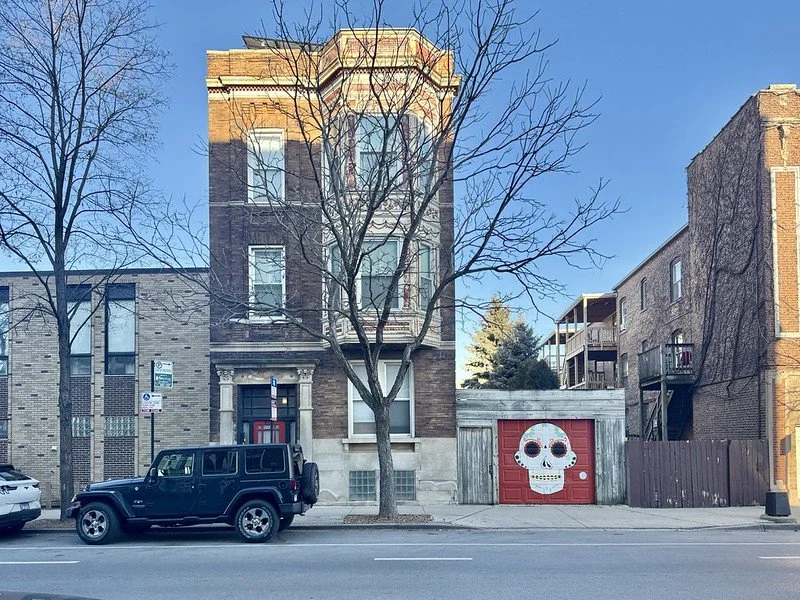
Why People Love Tri-Taylor & Medical District
Residents describe the Medical District as the ultimate short commute, with downtown and great food close by.
Work is a walk away. The 560-acre district holds four major hospitals, two medical universities and dozens of health care and research facilities, so many residents walk or bike to work.
Getting around is easy. The Blue Line stops at the Illinois Medical District station, the Pink Line stops at Polk, buses run on Harrison, Roosevelt, Damen, Ashland and Taylor, and the Eisenhower is right at the northern edge.
It's getting greener. A new park on Ogden Avenue, the first new park in the district in 80 years, is set to open this fall.
Neighbors are close. Little Italy's Taylor Street restaurants are a short walk east, Tri-Taylor's historic blocks are just to the west, and the United Center is across the Eisenhower.
It's a piece of Route 66. Ogden Avenue, which cuts through the district, is one of the original alignments of the Mother Road.
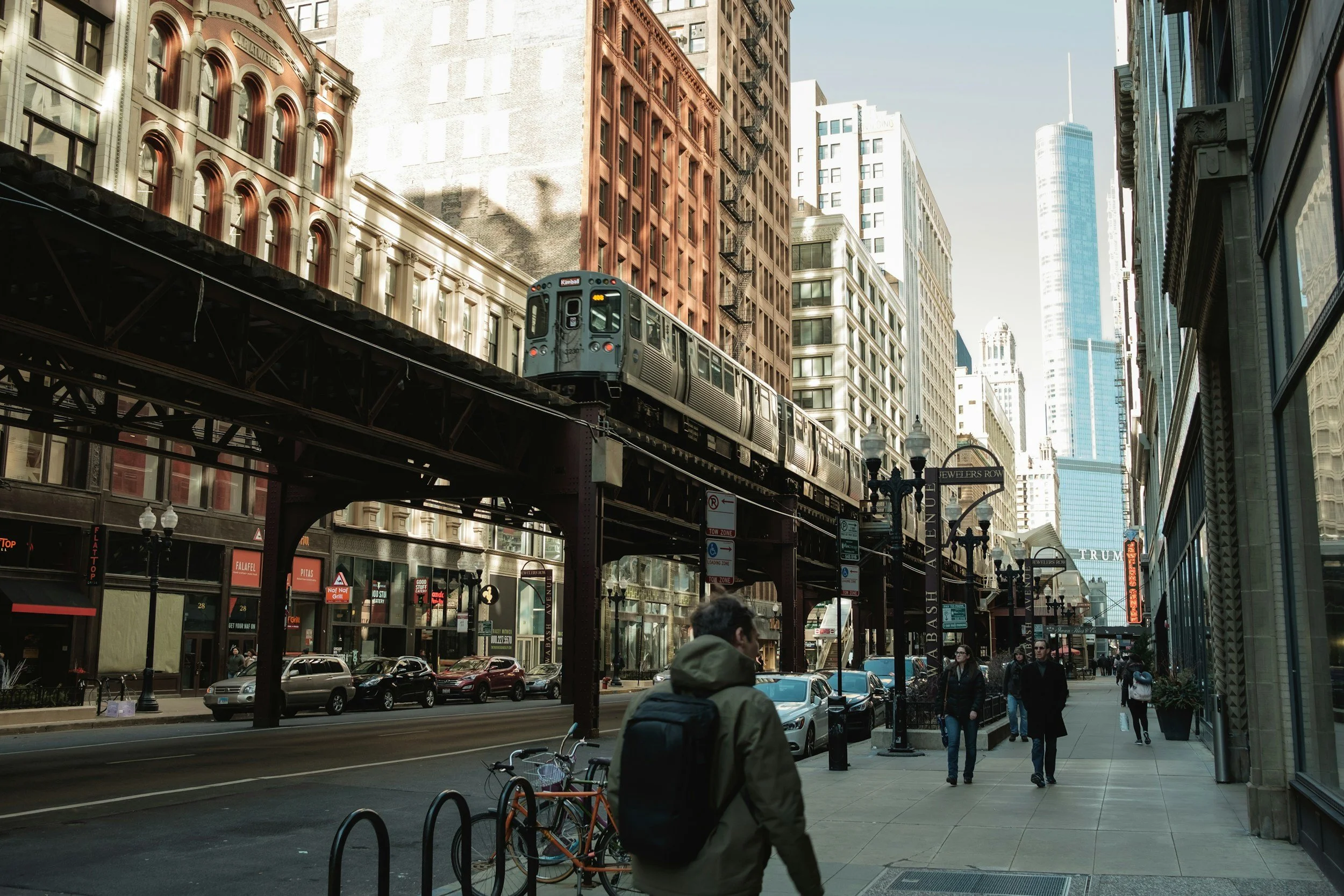
Want to live in Tri-Taylor or the Medical District?
John will match you with a Chicago agent who knows these blocks, at no cost to you.
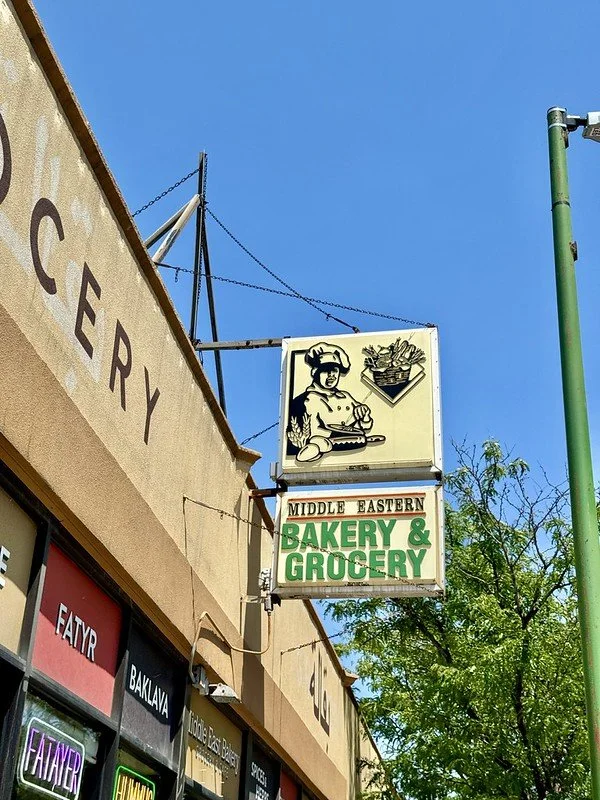
What to do in Tri-Taylor & The Medical District
Daily life in Andersonville runs along Clark Street, and most of it is a short walk from your door.
Start with brunch at m.henry, a North Side favorite for its French toast, or a pastry from Lost Larson, the bakery known for its Swedish princess cake. Then wander. Women & Children First has been the block's independent bookstore since 1979, the Andersonville Galleria puts more than 100 local makers under one roof, and Rattleback Records will cost you an hour.
The Swedish American Museum sits under the neighborhood's water tower, with a children's museum inside and cardamom buns in its cafe. From May through October there's a weekly farmers market. And when you want sand, Foster Beach is about a 15-minute walk east.
Evenings are the neighborhood's strong suit. Order mussels and a Belgian ale at Hopleaf, a Clark Street anchor since 1992, or the burger at Little Bad Wolf. Then step through a fake laundromat into the Chicago Magic Lounge, or watch the Neo-Futurists attempt 30 plays in 60 minutes.
End the night with a glass of glögg at Simon's Tavern, pouring since 1934. In June, Clark Street closes for Midsommarfest, a three-day street festival with a maypole, live music and nearly 50,000 people. In December, the Swedish holiday market and the St. Lucia festival take over.
Housing Types & Architecture
Andersonville is low-rise and vintage: brick two-flats and three-flats, limestone greystones and courtyard condos, most built in the late 1800s and early 1900s.
Condos are the most common way in. Many are full-floor units in converted two-flats and three-flats, so you get bay windows, tall ceilings and original woodwork instead of a hallway of identical doors. Courtyard buildings add one- to three-bedroom options with less upkeep.
Houses are the prize. East of Clark, the Lakewood Balmoral Historic District holds blocks of 1890s single-family homes with Queen Anne and Shingle-style details, in a district listed on the National Register of Historic Places. Restored homes there sell well into seven figures. Just north of Ridge Avenue between Clark and Broadway you’ll find more historic single-family homes in Edgewater Glen and Magnolia Glen.
Two-flats are worth a look if you want rental income, since you can live on one floor and rent the other. What you won't find is much new construction or high-rise living. The newer options are mostly gut-rehabbed vintage homes, with modern interiors behind the original facade.
Expect competition. Homes here are tightly held, and in early 2026 more than half sold above asking.
The quick read: a strong fit if you want vintage character on a quiet street with a walkable main street around the corner. A harder search if you want new construction, a full-amenity tower or a bargain.

Get Personalized Guidance
LetsMovetoChicago.com founder John knows how to find the right real estate agent because he has been one since 2015. When it’s time to start your home search, John can connect you with a local real estate agent who specializes in the neighborhoods you’re focused on, at no cost to you!
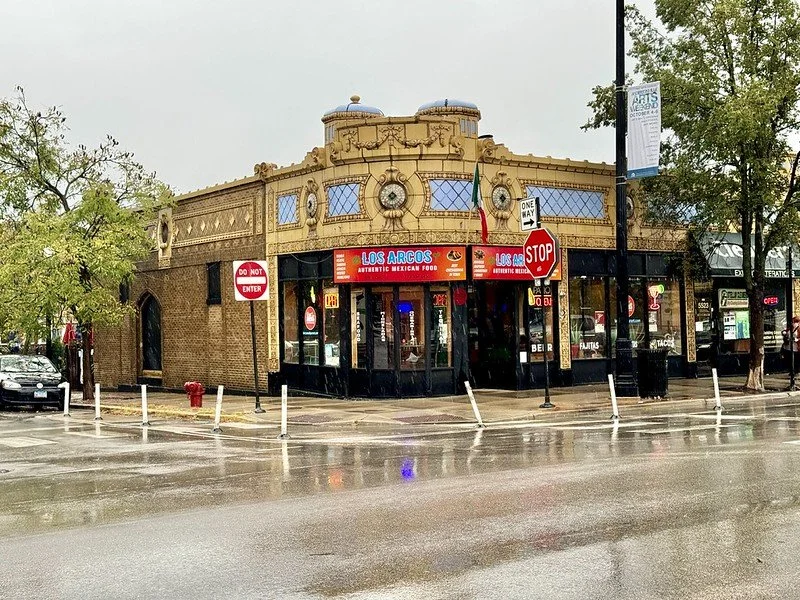
Clark Street and Gregory Street, Andersonville, Chicago, IL
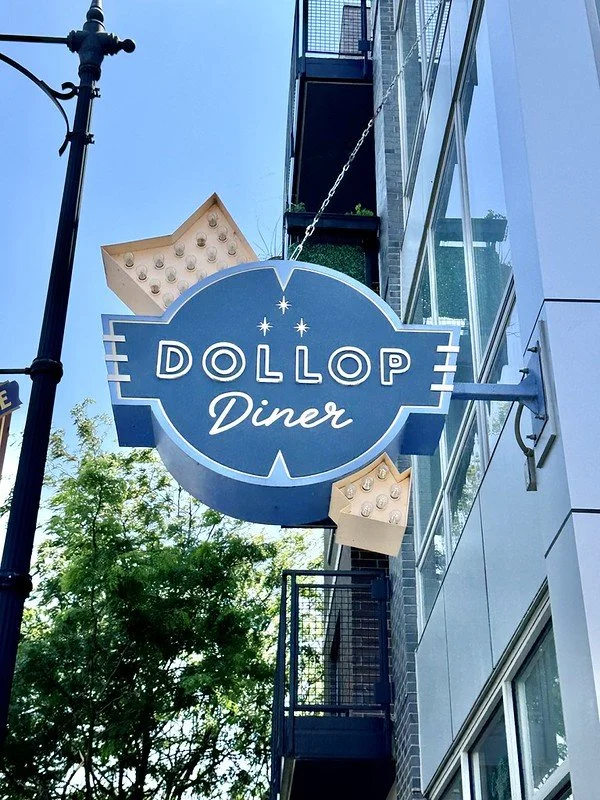
Dollop Diner Sign, Clark Street, Andersonville, Chicago, IL
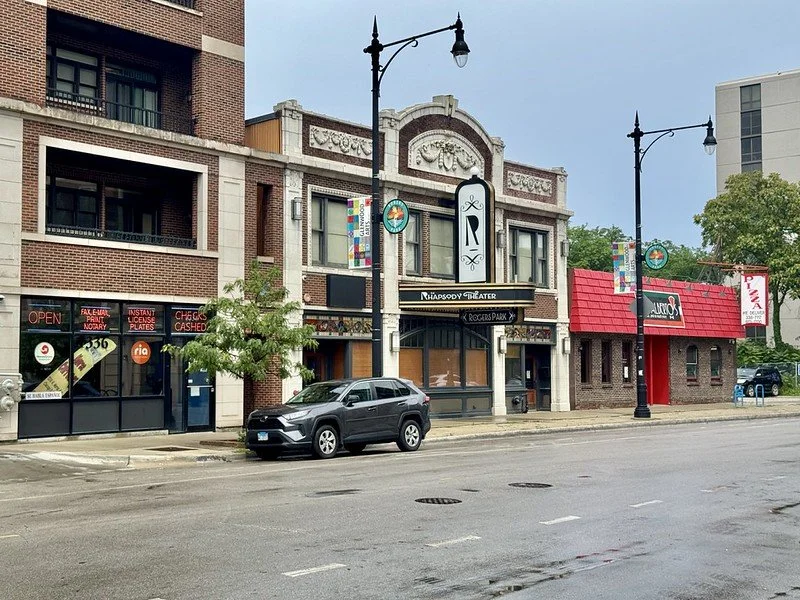
Former Calo Theatre, Clark Street, Andersonville, Chicago, IL
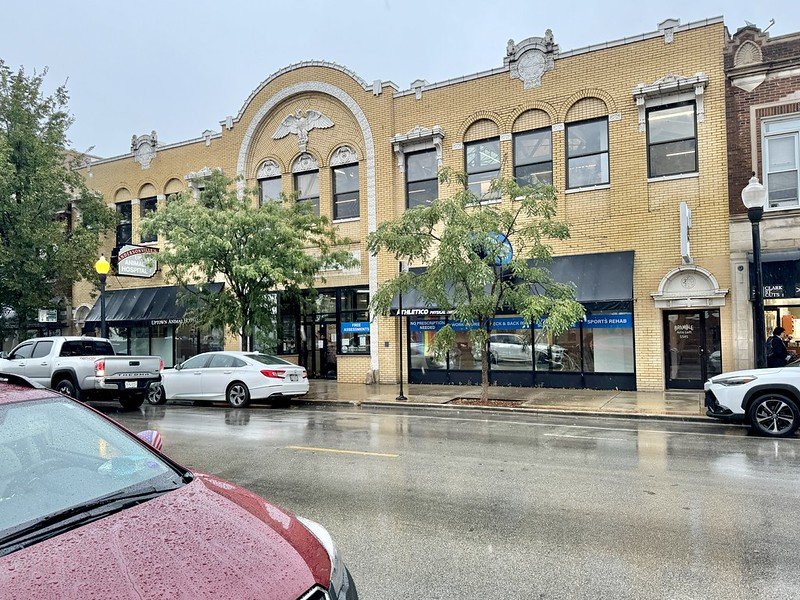
Capital Garage Building, Clark Street, Andersonville, Chicago, IL
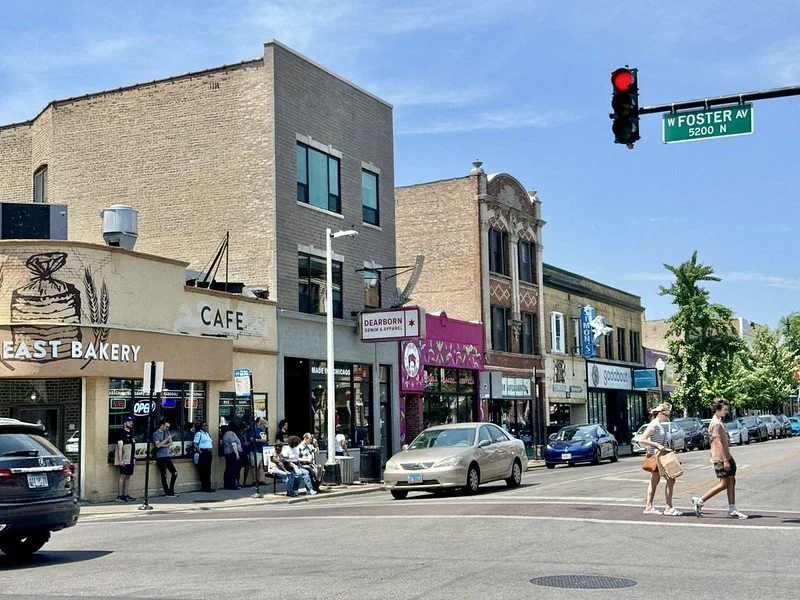
Clark Street, Andersonville, Chicago, IL
Get the Near West Side Neighborhood Report
Current selling trends, median income, recent sale prices, commute times, and walkability.
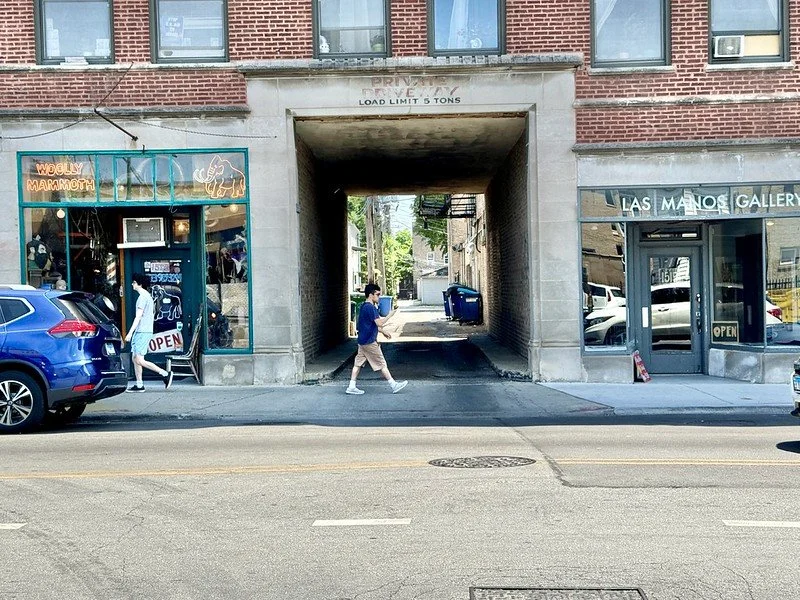
What People Are Saying
Here's how people who live in Tri-Taylor & the Medical District describe it, summarized from public resident reviews:
⬇
Ready to see more of the Far North Side?