
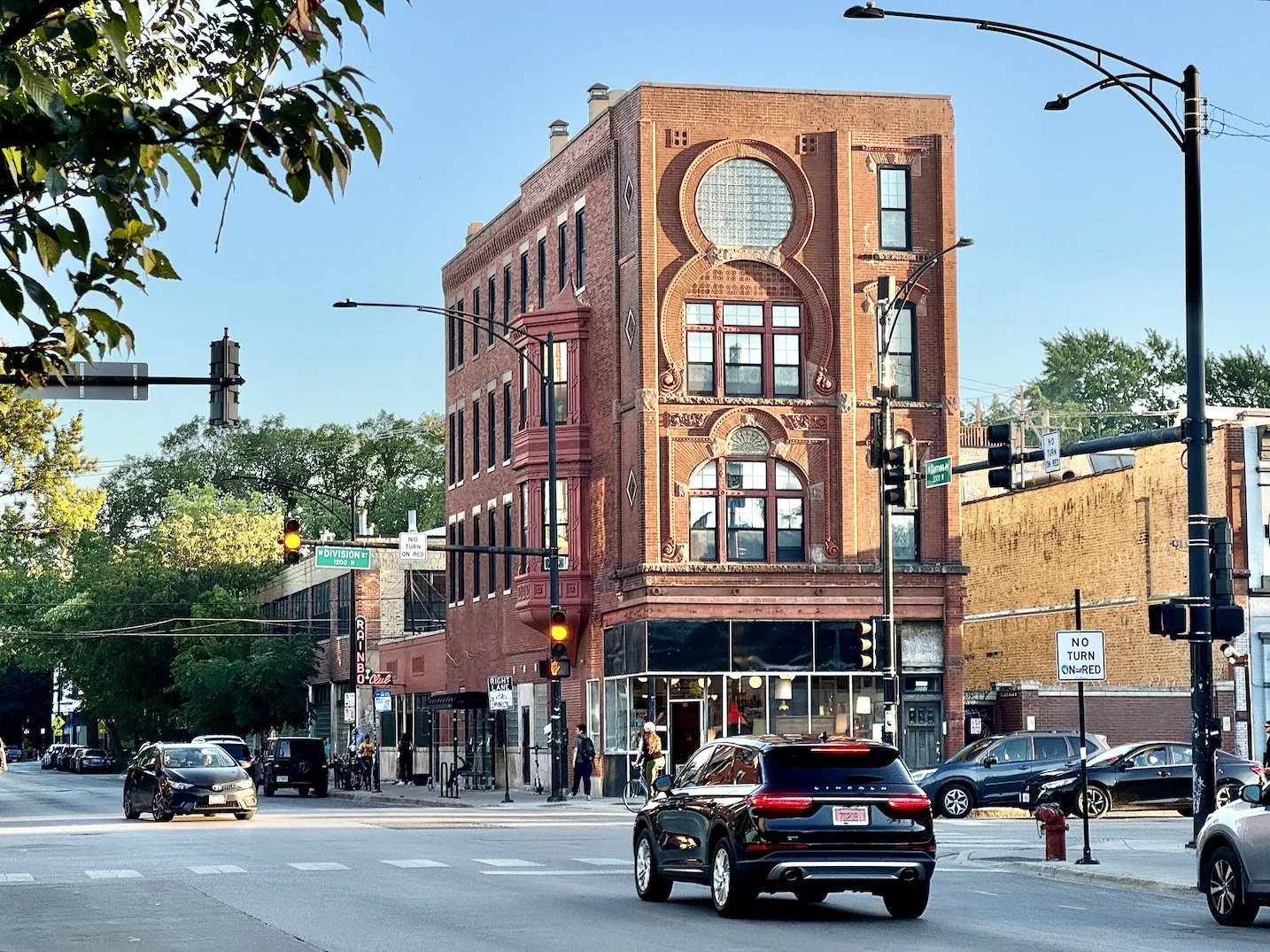
West Town
The Blue Line, Six Corners, Michelin-rated Restaurants
MEDIAN: $303,000
The Neighborhoods of West Town
West Town is where Chicago goes to eat, drink and see what's new. It starts at the Chicago River, across from downtown, and runs west to Humboldt Park, between the 606 trail and the rail lines south of Grand Avenue.
People move here for the energy and the architecture. Restaurants, music venues and independent shops fill Milwaukee Avenue, Division Street and Chicago Avenue, while the side streets hold greystones, Victorian two-flats and workers' cottages from the late 1800s.
The five neighborhoods share the Blue Line and the same grid of main streets, but each feels distinct. This page compares them on getting around, housing and daily life, then sends you to the one that fits.
Humboldt Park
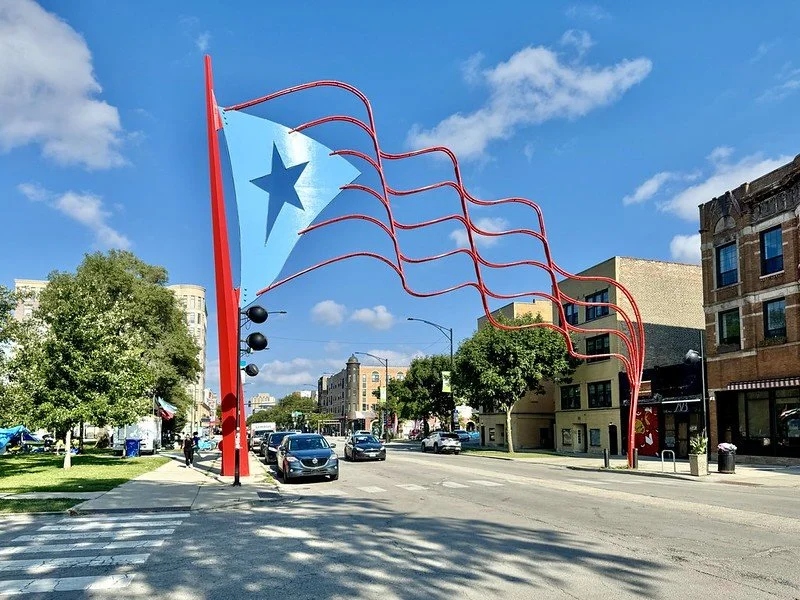
The western edge of West Town, wrapped around a 207-acre park with lagoons, a landmark boathouse and a prairie river designed by Jens Jensen. On Division Street, two 59-foot steel Puerto Rican flags frame Paseo Boricua, a stretch of restaurants, bakeries and cultural institutions. Life here centers on the park: morning runs around the lagoon, weekend cookouts and music on summer evenings, and the city's biggest Puerto Rican festival every year.
While the park proper and the east-side of Humboldt Park are in West Town, the rest of the neighborhood sits just outside West Town’s border.
Noble Square
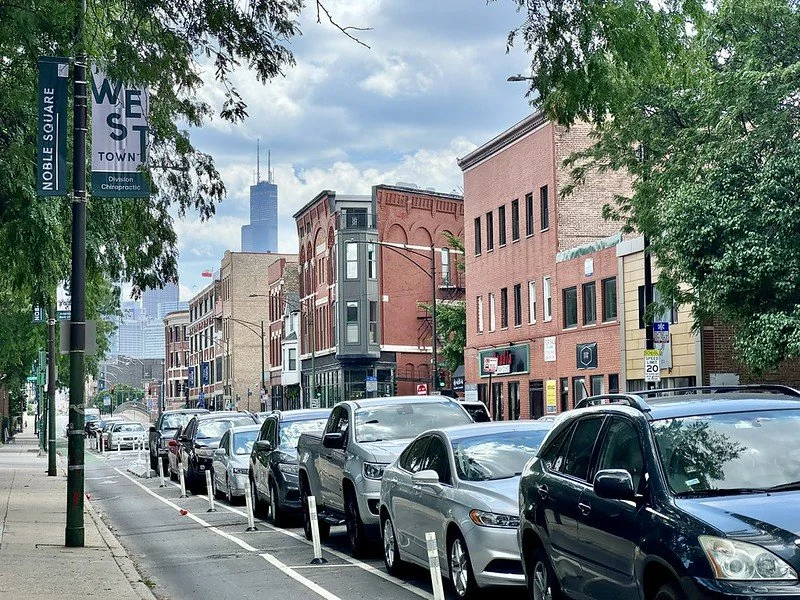
A small, mostly residential pocket around Eckhart Park, between Ashland Avenue and the Kennedy Expressway. Two towering Polish churches, St. Stanislaus Kostka and Holy Trinity, still anchor its streets. Life here is about convenience: a short Blue Line or bus ride to the Loop, and dinner and drinks along Chicago Avenue.
River West
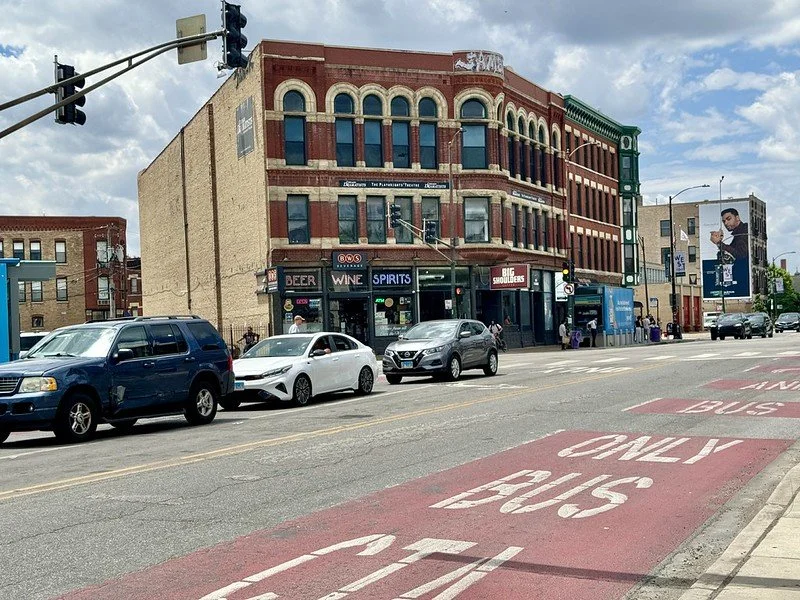
The closest of the five to downtown, between the Kennedy Expressway and the Chicago River from Grand Avenue up toward Division Street. Former factories have become loft condos with timber ceilings and exposed brick, alongside newer mid-rises, and Grand and Chicago avenues hold long-running Italian restaurants. Life here is quick and urban: a short walk or one Blue Line stop to the Loop, dinner on Grand, and a concert at the Salt Shed up the river.
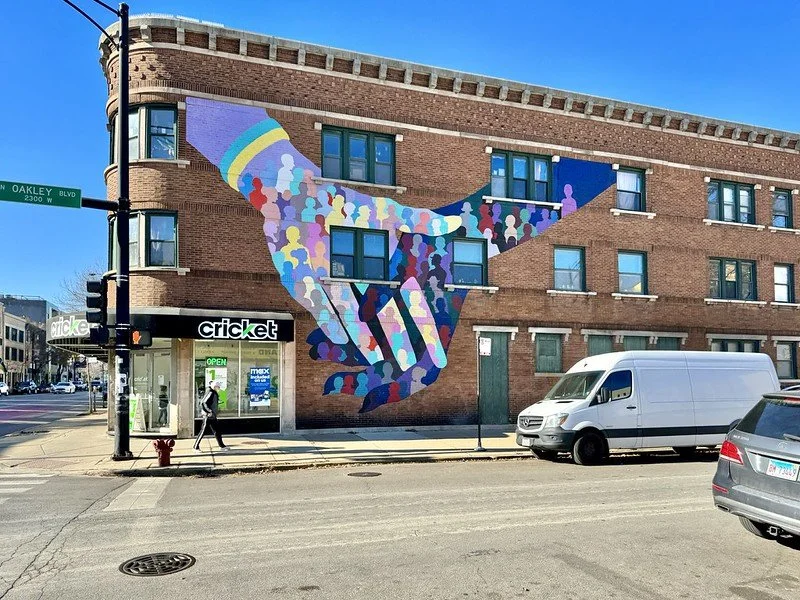
Ukrainian Village
Quiet, tree-lined blocks between Division Street and Grand Avenue, from Damen Avenue west to Western. Golden-domed cathedrals rise over a city landmark district of two-flats, greystones and cottages. Days feel calm and local, with errands on Chicago Avenue and dinner on Division Street a short walk away.
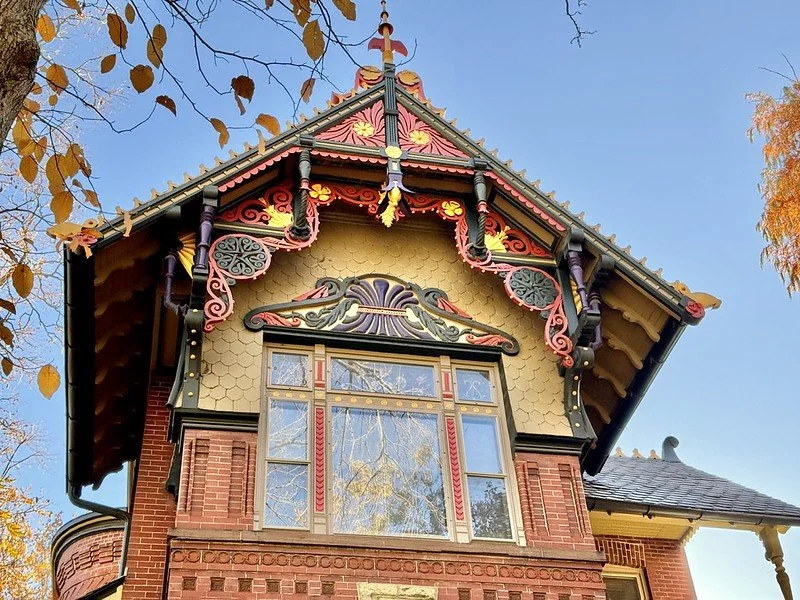
Wicker Park
The busy heart of the area, centered on the six-corner intersection of Milwaukee, North and Damen avenues. Victorian mansions line Hoyne Avenue's "Beer Baron Row," and the Damen Blue Line stop sits at the center of it all. Life runs late here, with live music at Subterranean and the Den Theatre, vintage and record shops, and a Sunday farmers market in the namesake park.
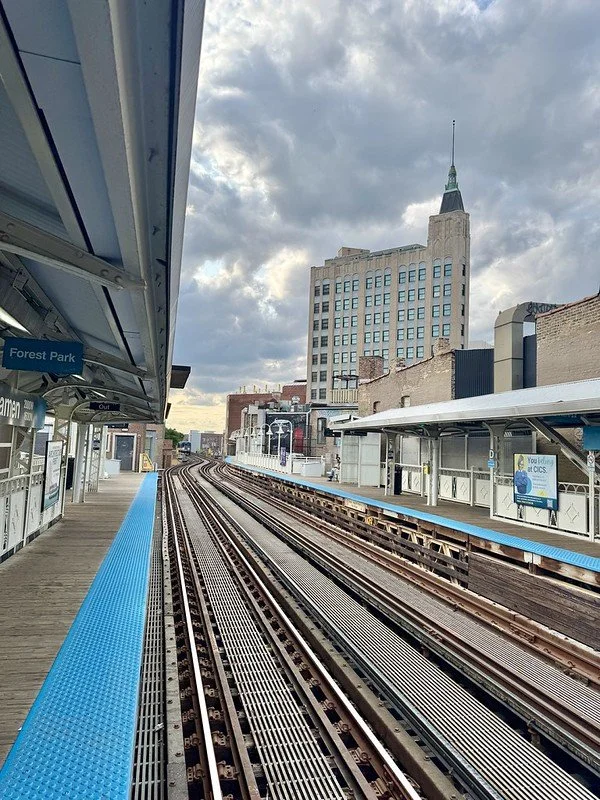
Getting Around West Town
The Blue Line is West Town's spine. It runs 24 hours, reaches the Loop in about 5 to 15 minutes from most stations, and goes straight to O'Hare.
Pick a station by neighborhood. River West uses Grand and Chicago, Noble Square uses Chicago and Division, and Wicker Park centers on Damen. Ukrainian Village residents walk 10 to 15 minutes to Division or Damen, and Humboldt Park is the one neighborhood that leans on buses rather than the L.
Buses fill the grid. The 56 runs the length of Milwaukee Avenue, and crosstown routes on North Avenue, Division Street and Chicago Avenue connect all five neighborhoods to each other and to downtown. Ashland, Damen and Western each have their own north-south route.
Metra is close by, not in the middle. From River West, Ogilvie Transportation Center in the West Loop is a short walk or bus ride south, and Clybourn station sits just north of the area at Ashland and Armitage.
Bikes have room. Milwaukee Avenue is one of the city's busiest bike corridors, and the elevated 606 trail runs along the northern edge of Wicker Park and Humboldt Park.
Driving and parking. The Kennedy Expressway runs through the east side, with ramps at several points, including Division Street and North Avenue. Loft and newer condo buildings often include garage parking, while vintage homes rely on the street or a garage off the alley, and many blocks near Six Corners use resident permit zones.
Is West Town right for you?
John will help you narrow it down, then match you with a Chicago agent who knows these blocks, at no cost to you.
Housing in West Town
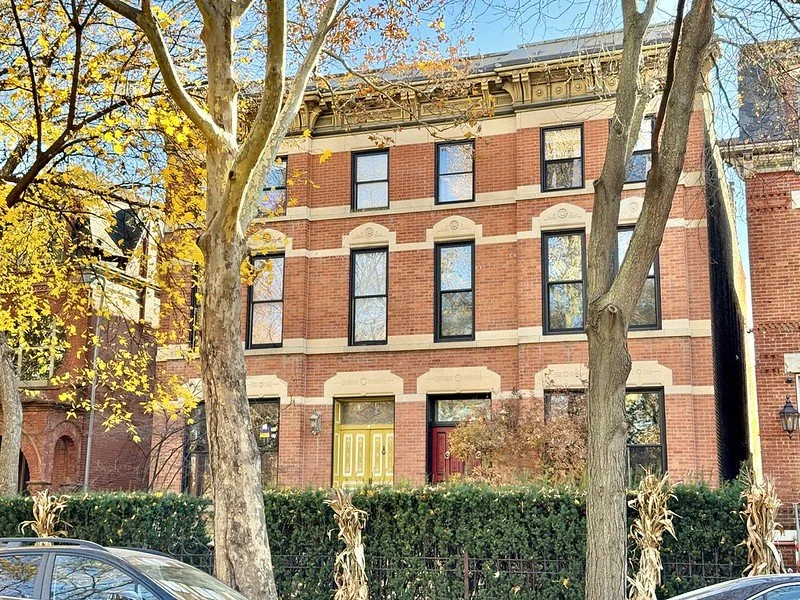
West Town is full of vintage homes with character, plus converted lofts, all within a few miles of the Loop.
Humboldt Park: greystones and two-flats by the park. Greystones, brick two-flats and larger vintage homes line the streets and boulevards around the park, with condos in converted flats the most common way in.
Noble Square: flats and newer condos. Vintage two- and three-flats mix with newer condo buildings on mostly residential blocks.
River West: lofts and mid-rises. Former factories and warehouses became loft condos starting in the 1980s, with tall ceilings, timber beams and exposed brick. Newer mid-rise and riverfront condo buildings fill in around them.
Ukrainian Village: protected vintage. A city landmark district keeps its two-flats, three-flats, greystones and cottages looking much as they did a century ago. Condos in those buildings are the usual way in.
Wicker Park: mansions and Victorians. Another landmark district protects blocks of 1800s homes, including the brewers' mansions on Hoyne Avenue's "Beer Baron Row." Greystones, Victorian two-flats and condos in converted buildings fill the rest.
Across all five, condos are the usual first home. Single-family houses are scarcer and draw the most competition on the landmark blocks of Wicker Park and Ukrainian Village.
Living in West Town
Most Nearly everything here is a walk: dinner, coffee, a show and the grocery store. What changes is which main street is yours.
What you can walk to. Wicker Park's Six Corners and Milwaukee Avenue pack in restaurants, music venues, vintage and record shops. Ukrainian Village and Noble Square share the restaurants of Division Street and Chicago Avenue, River West has Grand Avenue's dining and the Salt Shed, and Humboldt Park has Paseo Boricua's restaurants and bakeries on Division.
Parks. There's no lake here, so the parks do the work. Humboldt Park's 207 acres of lagoons, fields and gardens are the big one, Wicker Park and Eckhart Park serve their neighborhoods, and the 606 trail runs along the northern edge. River West has the least green space of the five.
Markets and festivals. Wicker Park's farmers market runs Sundays in the warm months, and Humboldt Park hosts the city's largest Puerto Rican festival, plus celebrations on Paseo Boricua through the year.
Groceries. A Mariano's on Chicago Avenue in Ukrainian Village serves the middle of the area, and a Target in Wicker Park is a short walk from much of Wicker Park and Ukrainian Village. River West has fewer grocery options inside its own borders than the others, so check the walk from any home you're considering.
LetsMovetoChicago.com founder John knows how to find the right real estate agent because he has been one since 2015. When it’s time to start your home search, John can connect you with a local real estate agent who specializes in the neighborhoods you’re focused on, at no cost to you!
Get Personalized Guidance
Find Your Fit
Match what you want most to the neighborhood that does it best.
A 207-acre park as your backyard, with Paseo Boricua down the street: start with Humboldt Park.
A quiet residential block with a quick ride downtown: start with Noble Square.
A loft with exposed brick, a walk or one stop from the Loop: start with River West.
A protected vintage block that stays calm, with Division Street dinners nearby: start with Ukrainian Village.
Live music, Six Corners and a Victorian home in a landmark district: start with Wicker Park.
Still deciding? John can help you weigh them.