Humboldt Park
The Park, Paseo Boricua, Greystones
MEDIAN: $705,000
Get to know Humboldt Park
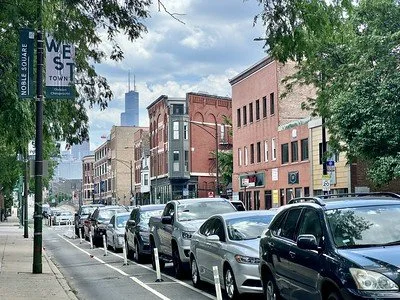
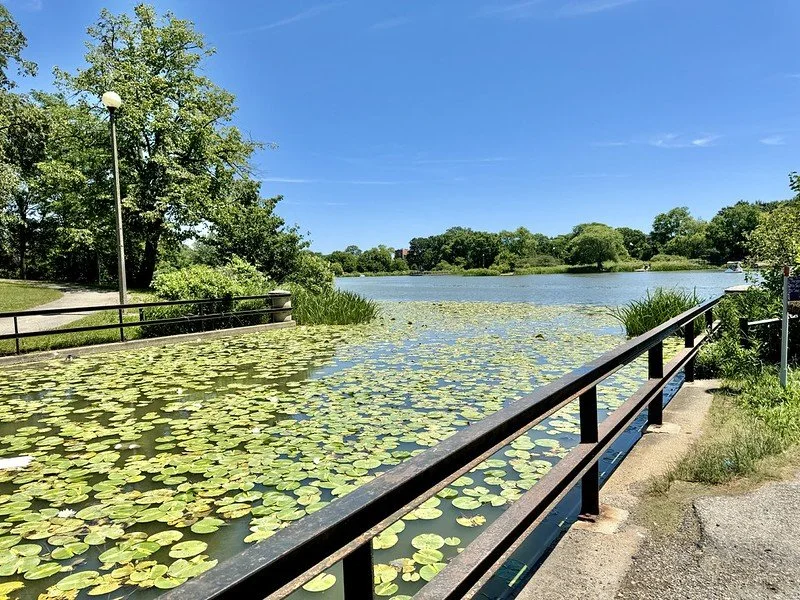
Humboldt Park is a neighborhood built around one of Chicago's great parks: 219 acres of lagoons, gardens, ball fields and the city's only inland beach, just west of Wicker Park and south of Logan Square.
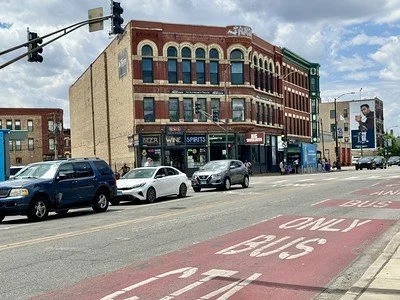
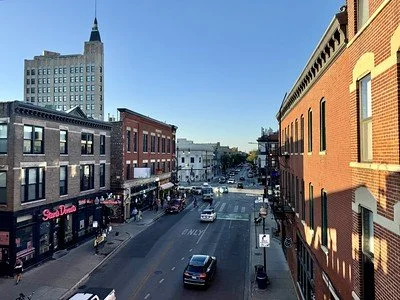
People move here for space, culture and character. You get historic greystones and two-flats on tree-lined streets, a park that works as a giant backyard, and a main street, Paseo Boricua, that is one of the most distinctive in the city.
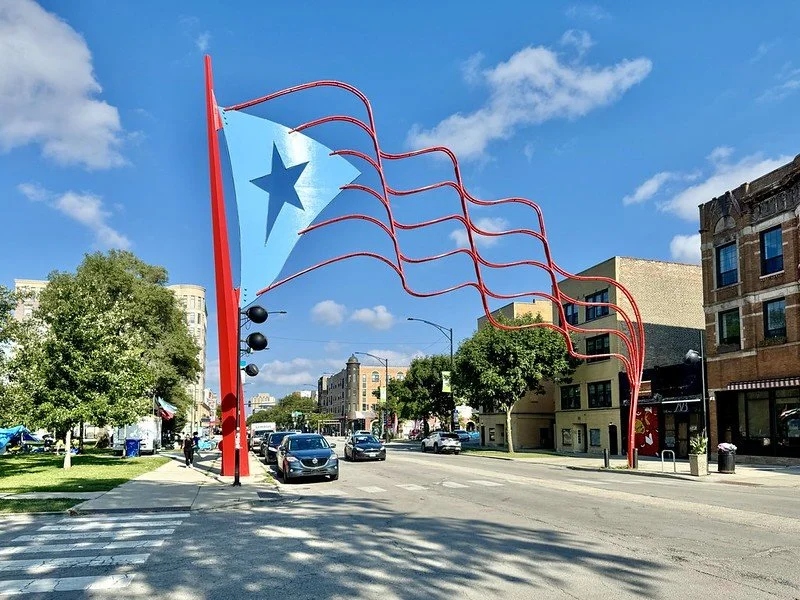
The park opened in 1869 and was later reshaped by landscape architect Jens Jensen. Two 60-foot steel Puerto Rican flags have stood over Division Street since 1995, marking Paseo Boricua as the cultural heart of Chicago's Puerto Rican community.
Why People Love Humboldt Park
Residents talk about Humboldt Park with real pride: it's a place with its own sound, its own food and its own festivals.
The park is the backyard. Residents paddle the lagoon, picnic on the lawns, walk the Formal Garden and swim at the city's only inland beach in summer.
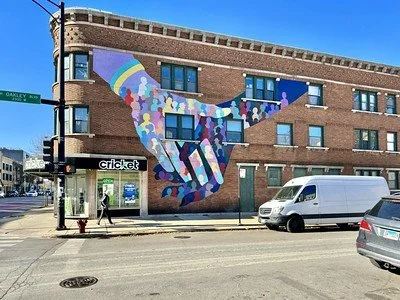
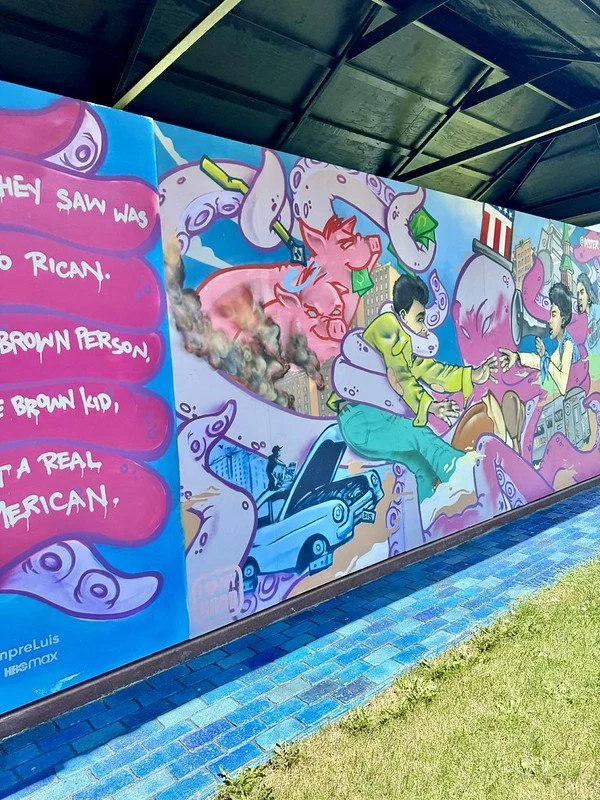
Culture is everywhere. Murals line the side streets, the National Museum of Puerto Rican Arts & Culture sits in the park's historic stables, and Paseo Boricua is lined with bakeries, restaurants and shops.
The festivals are legendary. June's Puerto Rican Festival and People's Parade fill Division Street, and Fiesta Boricua, the Latin Jazz Festival and movies in the park keep the calendar full.
The food is a reason to stay. Residents rave about the local restaurants and cafes, from Puerto Rican pastries and jibaritos to the newer spots around California and Augusta.
The 606 is on the doorstep. The elevated trail runs along the neighborhood's northern edge, a favorite of runners, cyclists and dog walkers headed toward Wicker Park and Bucktown.
There's room to breathe. Many blocks sit a short walk from the park, and the housing stock runs to roomy greystones and multi-unit buildings, some with coach houses.
Want to live in Humboldt Park?
John will match you with a Chicago agent who knows these blocks, at no cost to you.
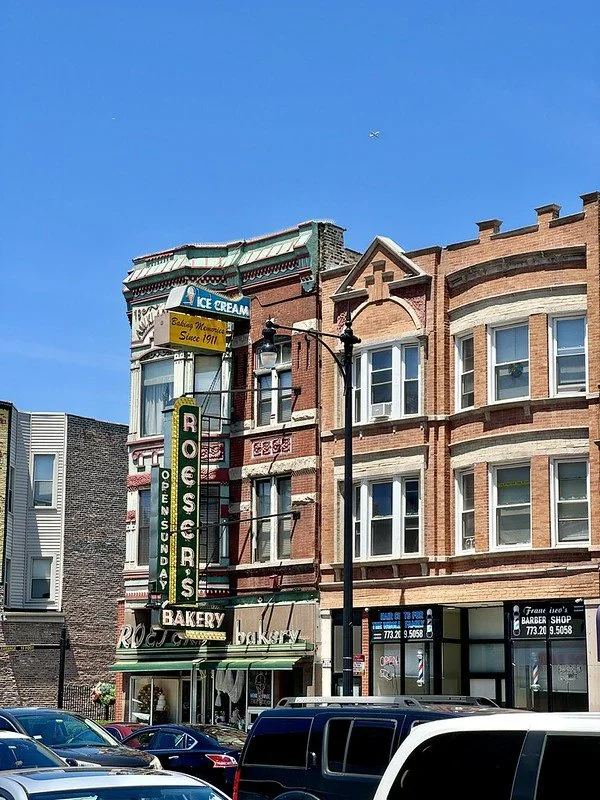
What to do in Humboldt Park.
In Humboldt Park, a weekend can start on the lagoon and end at a street festival.
Mornings begin in the park. Walk the paths around the lagoon, watch for herons and ducks, and stop by the 1907 Prairie-style boathouse, which hosts a cafe and free cultural events. In summer, rent a swan-shaped paddle boat or claim a spot on the sand at Humboldt Park Beach.
Then head to Division Street. Grab coffee and pastries at Cafe Colao, browse the murals and shops along Paseo Boricua, and visit the National Museum of Puerto Rican Arts & Culture. Local guides lead walking tours of the Paseo's public art, and the Chicago History Museum partners with them on seasonal tours.
Evenings have options. Eat your way around the restaurants near California and Augusta, catch Shakespeare in the Park or a free outdoor movie, or ride the 606 east to Wicker Park.
Mark your calendar for June, when the four-day Puerto Rican Festival and the People's Parade take over the park and Division Street. Fiesta Boricua follows in late summer with live music on multiple stages.
Housing Types & Architecture
Humboldt Park is a neighborhood of greystones, two-flats and three-flats, with workers cottages and new construction mixed in.
Greystones are the showpieces. Built mostly between 1890 and 1930 along Chicago's historic boulevard system, they line Humboldt Boulevard and the streets facing the park. Some are single-family homes; many are two- or three-unit buildings, and a few come with coach houses.
Brick two-flats and three-flats fill much of the neighborhood. They suit buyers who want to live in one unit and rent the others, or who want room to convert a building into a larger single-family home.
You'll also find 19th-century frame workers cottages, especially on the northeast side near the 606, alongside new single-family homes and small boutique condo buildings that have gone up in recent years.
The quick read: a strong fit if you want a greystone or a multi-unit building with character, park access and more space for the money than the neighborhoods next door. A harder search if you want a doorman building or an 'L' stop around the corner.
Get Personalized Guidance
LetsMovetoChicago.com founder John knows how to find the right real estate agent because he has been one since 2015. When it’s time to start your home search, John can connect you with a local real estate agent who specializes in the neighborhoods you’re focused on, at no cost to you!
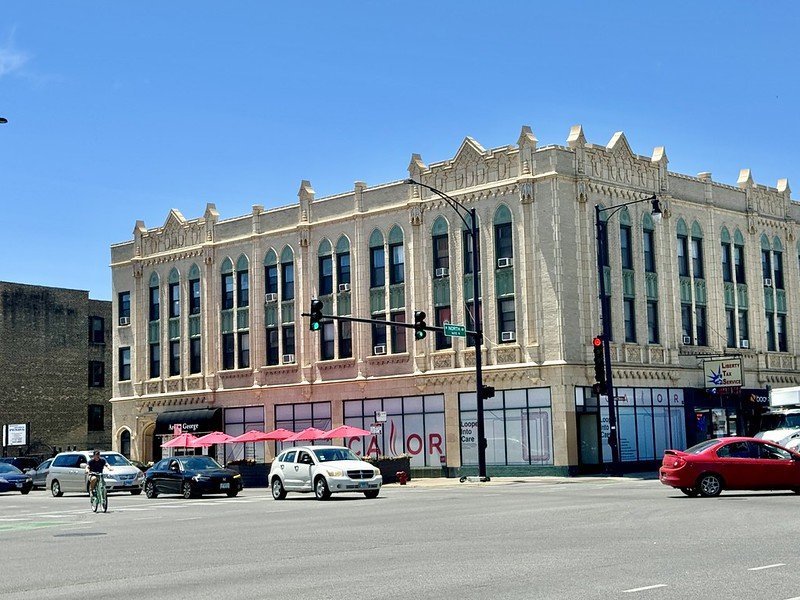
North Avenue and Kedzie Avenue, Humboldt Park, Chicago, IL
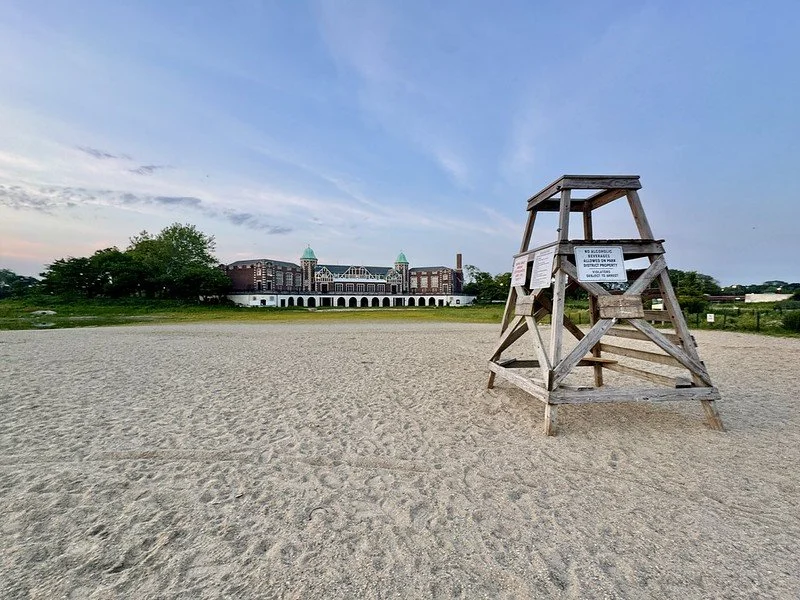
Beach and Field House, Humboldt Park, Humboldt Drive, Humboldt Park, Chicago, IL
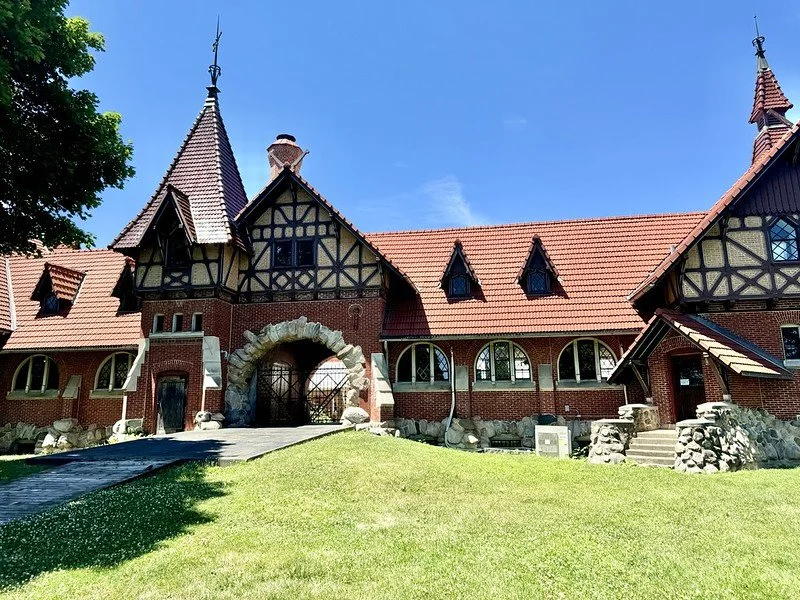
Humboldt Park Receptory Building and Stables (National Museum of Puerto Rican Arts and Culture), Humboldt Park, Humboldt Drive and Division Street, Humboldt Park, Chicago, IL
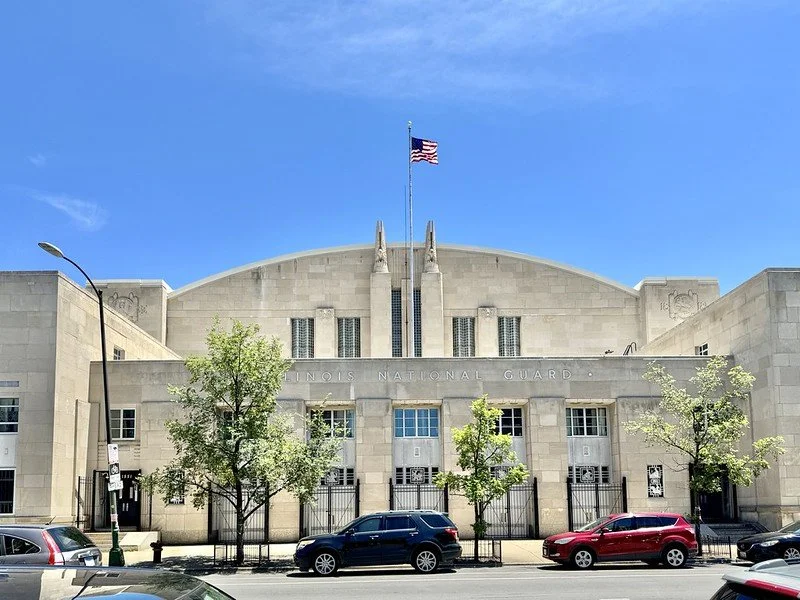
Illinois National Guard Armory, Humboldt Park, Kedzie Avenue and North Avenue, Humboldt Park, Chicago, IL
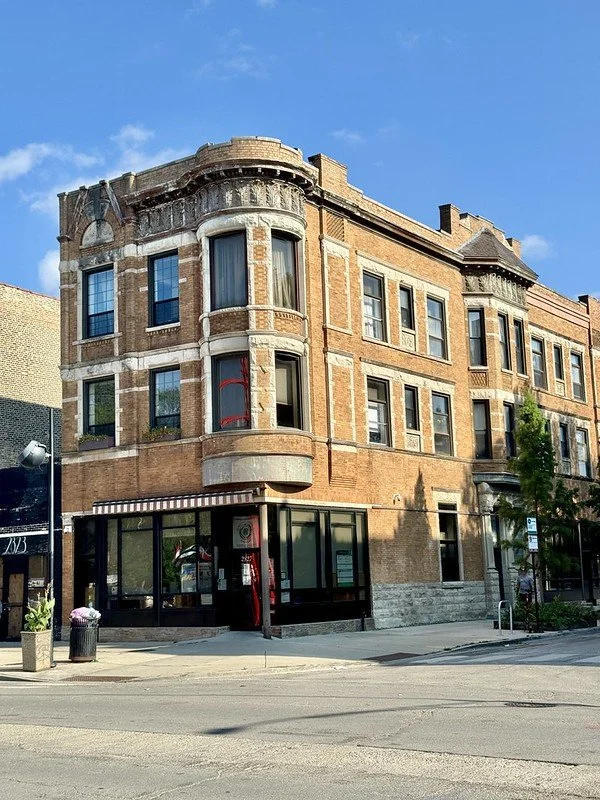
Division Street and Mozart Street, Humboldt Park, Chicago, IL
Get the Humboldt Park Neighborhood Report
Current selling trends, median income, recent sale prices, commute times, and walkability.
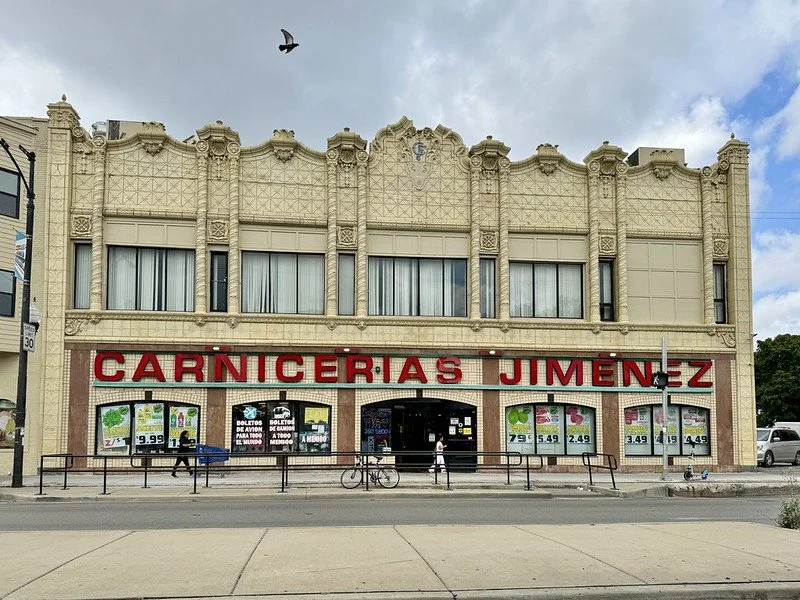
What People Are Saying
Here's how people who live in Humboldt Park describe it, summarized from public resident reviews:
⬇
Ready to see more of West Town?