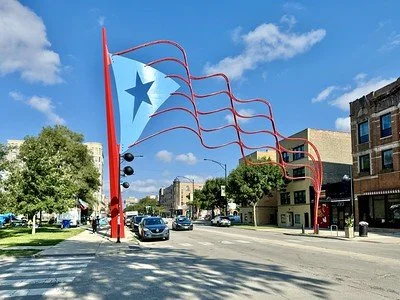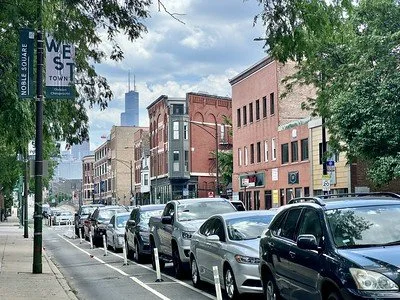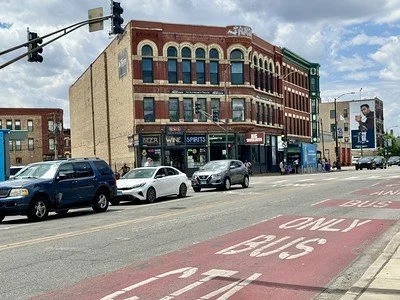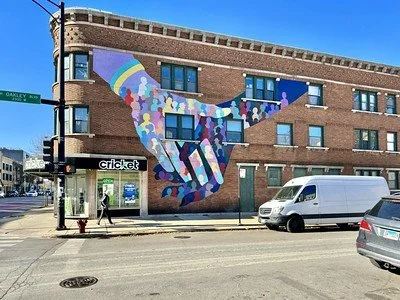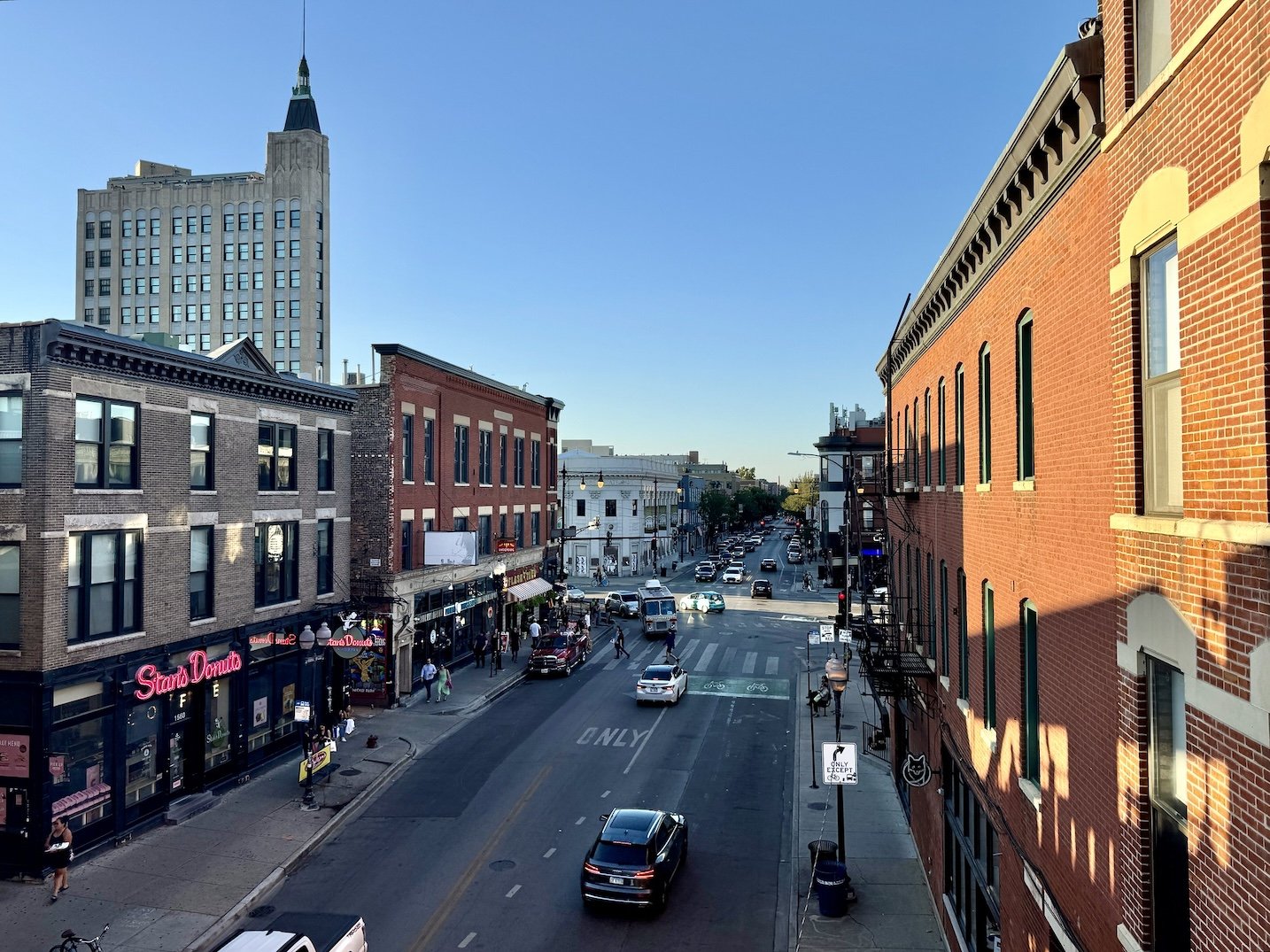
Wicker Park
The 606, Beer Barron Row, Milwaukee Avenue
MEDIAN: $705,000
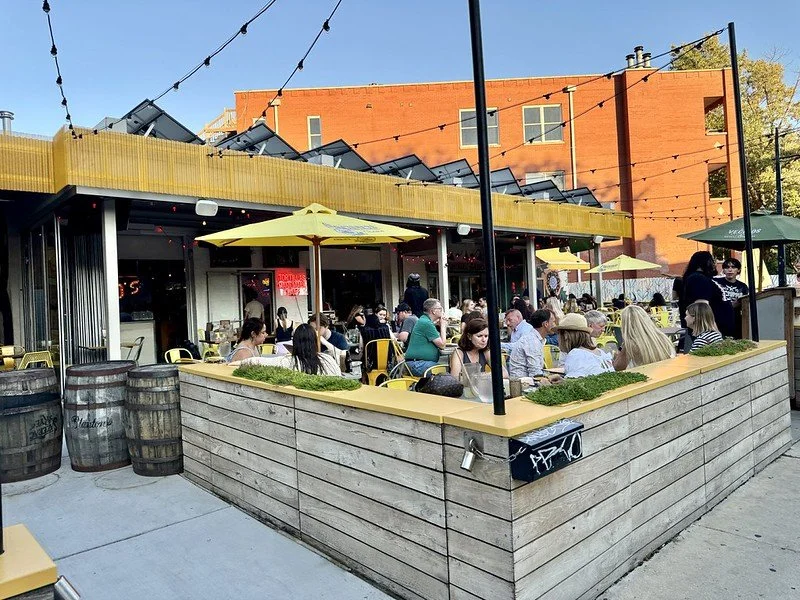
Get to know Wicker Park
Wicker Park is Chicago's original hub of hip, with some of the city's grandest Victorian homes tucked a block from its busiest shopping street. It sits northwest of downtown, roughly between Bloomingdale Avenue and the 606 on the north and Division Street on the south, from Ashland to Western avenues.
People move here for energy and walkability. The six-corner intersection of North, Damen and Milwaukee is the heart of it all, with indie shops, record stores, cocktail bars and live music in every direction, and the Blue Line a few steps away.
The neighborhood grew up after the Great Chicago Fire, when wealthy merchants and brewers built brick and stone mansions around the small triangular park that gives it its name. It later became a magnet for artists and musicians, and much of it is now a Chicago Landmark District.
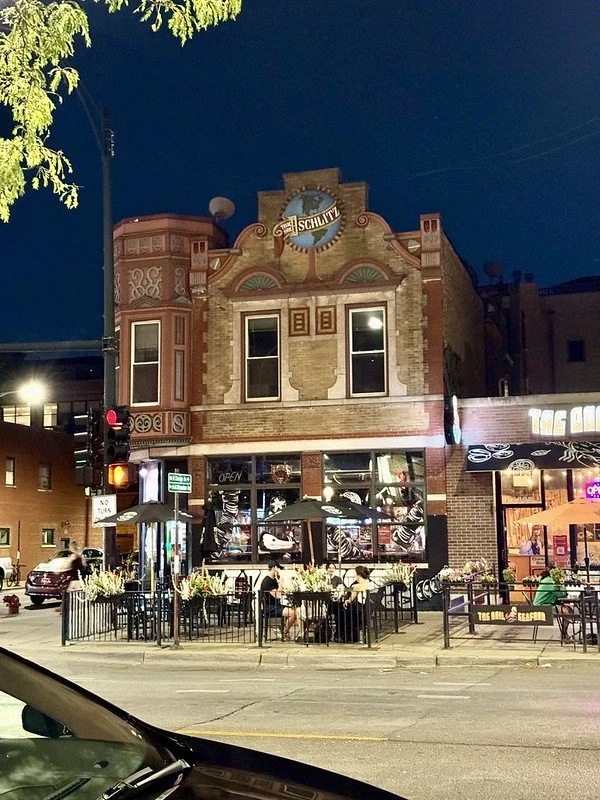
Why People Love Wicker Park
Locals describe Wicker Park as a place where art, architecture and community come together.
Everything is walkable. Residents and local business owners say the best way to experience Wicker Park is on foot: shops, galleries, cafes, restaurants and the park are all a short stroll apart.
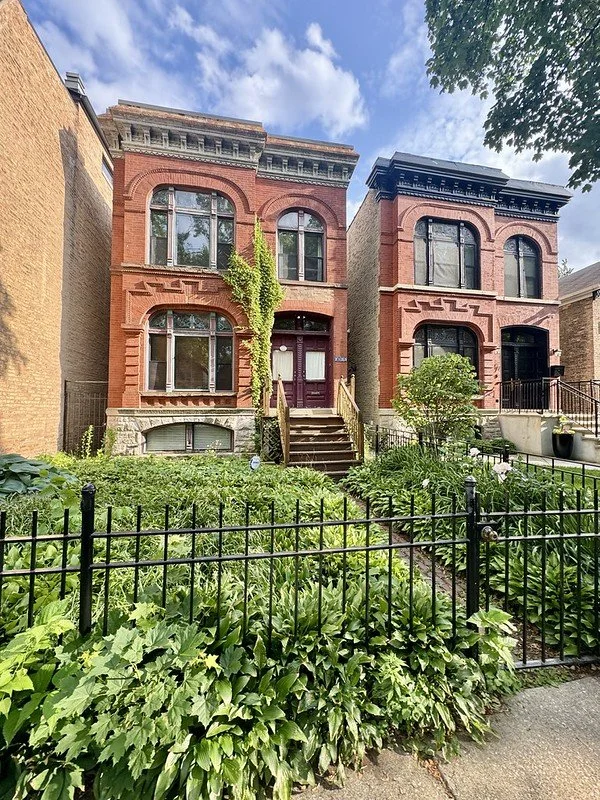
The architecture is extraordinary. Hoyne Avenue's "Beer Baron Row" and the streets around the park hold some of the city's finest Victorian-era homes, alongside historic workers cottages.
The 606 runs right through it. The 2.7-mile elevated trail on an old rail line links Wicker Park to Bucktown, Humboldt Park and Logan Square for walking, running and biking.
There's always something going on. Independent bookstores and record shops, theaters, arcade bars, comedy clubs and live music venues keep the neighborhood lively day and night.
Getting around is easy. The Blue Line stops at Damen and at Division, buses run on Milwaukee, Damen, North, Division, Ashland and Western, and the Kennedy Expressway is close by.
Neighbors gather often. A Sunday farmers market in the park, a newer Thursday evening market and the summer Wicker Park Fest give the neighborhood a steady calendar.
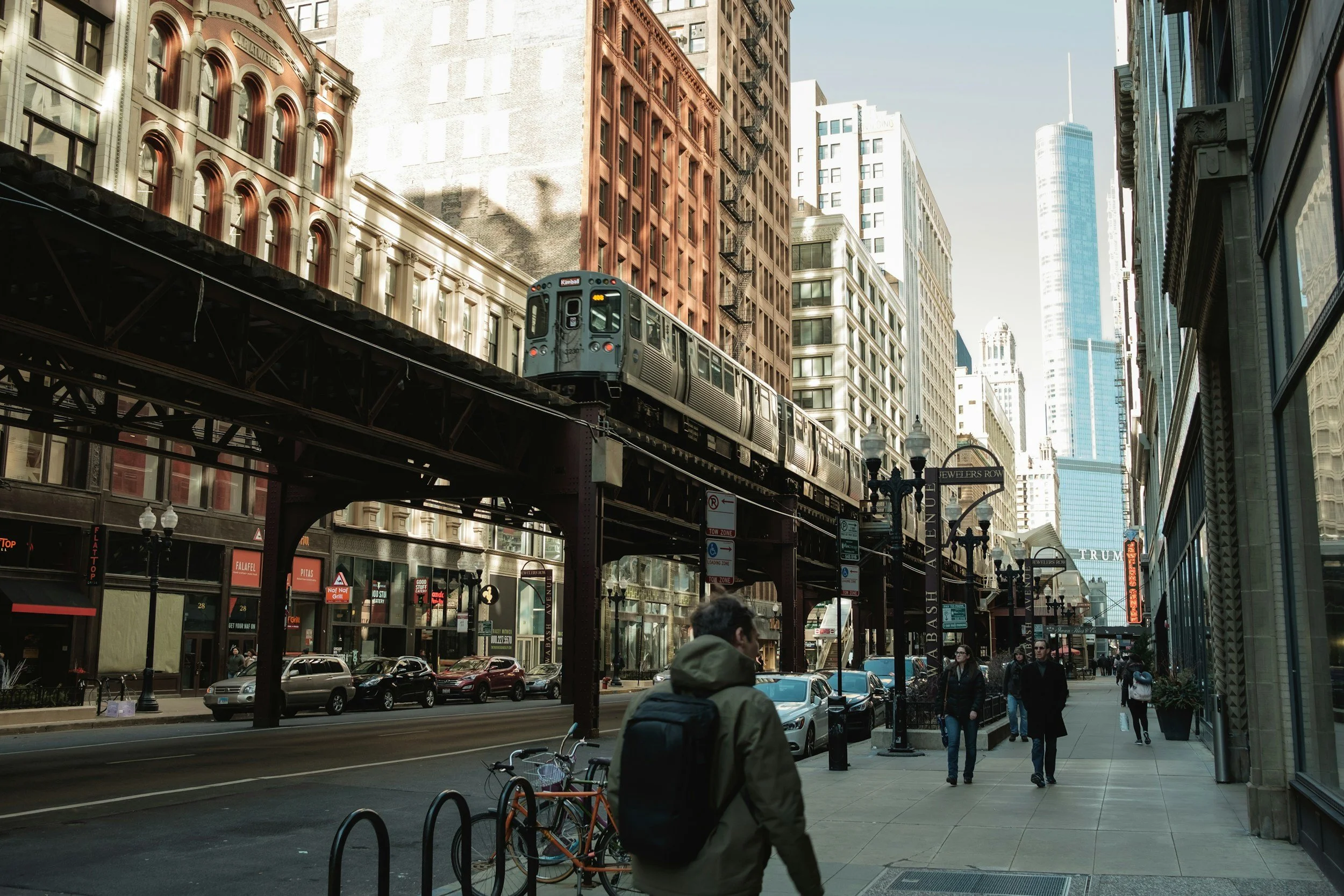
Want to live in Wicker Park?
John will match you with a Chicago agent who knows these blocks, at no cost to you.
What to do in Wicker Park
In Wicker Park, a good day starts with coffee, winds through the shops and ends at a cocktail bar or a show.
Start with a doughnut from Stan's at Damen and North, or coffee at La Colombe or Wormhole, the 1980s-themed cafe with a DeLorean inside. Then walk or bike the 606 for a raised-up view of the neighborhood and its street art.
Sundays from May through October, the Wicker Park Farmers Market fills the park with produce, baked goods and free yoga and kids' activities. Afterward, browse Milwaukee Avenue between North and Division: three floors of used books at Myopic, vinyl at Reckless Records, and vintage, sneaker and design shops in between.
Afternoons are for the Flat Iron Arts Building's studios and galleries, a round of pinball at Emporium, or a summer swim at the rooftop pool atop The Robey, the hotel inside the 1929 Northwest Tower.
Evenings have range. Grab tacos on the patio at Big Star, New Haven-style pizza at Piece, or Nepalese food at Cumin, then catch a play or comedy show at The Den Theatre. Finish with a cocktail at with at view at The Up Room atop The Robey Hotel.
The last full weekend in July, Wicker Park Fest takes over Milwaukee Avenue with more than 50 bands on multiple stages, local food and vendors.
Housing Types & Architecture
Wicker Park offers one of the widest ranges of homes in West Town: Victorian mansions, greystones and workers’ cottages on the side streets, vintage two- and three-flats, and modern condos along the busier corridors.
The showpieces sit in the Wicker Park Landmark District, designated in 1991. After the Fire, merchants and brewers built large brick and stone homes here, and the stretch of Hoyne Avenue north of Pierce became known as Beer Baron Row. Exterior changes in the district need approval from the city's landmarks commission.
Vintage two- and three-flats and greystones fill many blocks. Some buyers live in one unit and rent the others; others convert them into roomy single-family homes. Frame and brick workers cottages offer a smaller-scale way into the neighborhood.
Condos are the most common option, from units in converted vintage buildings and lofts to newer mid-rise buildings along Division, Milwaukee and North with elevators, parking and roof decks.
The quick read: a strong fit if you want historic character, walkability and nightlife at your door. A harder search if you want a quiet block far from the action, easy parking or a big yard.

Get Personalized Guidance
LetsMovetoChicago.com founder John knows how to find the right real estate agent because he has been one since 2015. When it’s time to start your home search, John can connect you with a local real estate agent who specializes in the neighborhoods you’re focused on, at no cost to you!
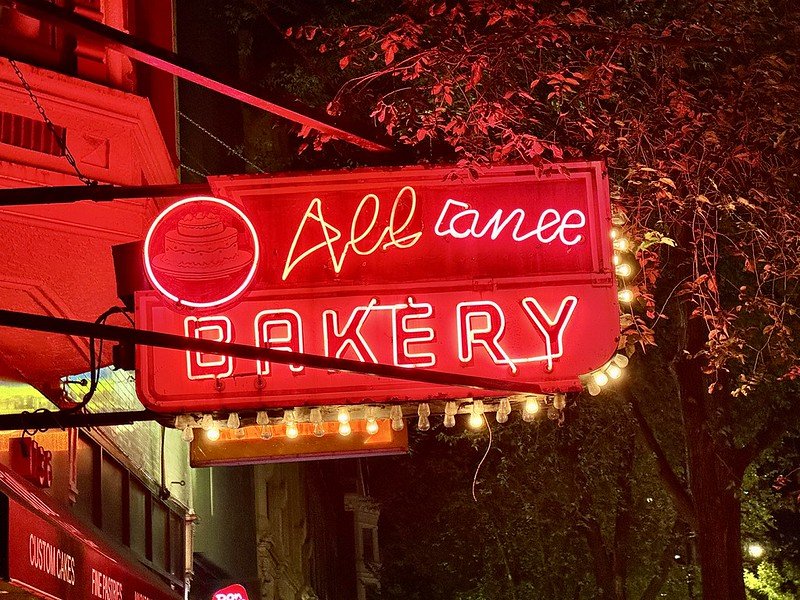
Alliance Bakery Sign, Division Street, Wicker Park, Chicago, IL
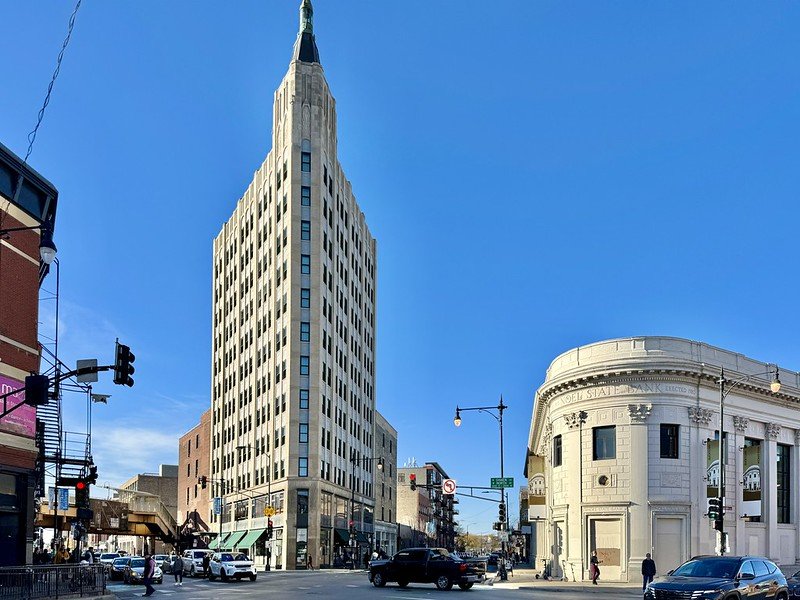
Milwaukee Avenue and North Avenue, Wicker Park, Chicago, IL
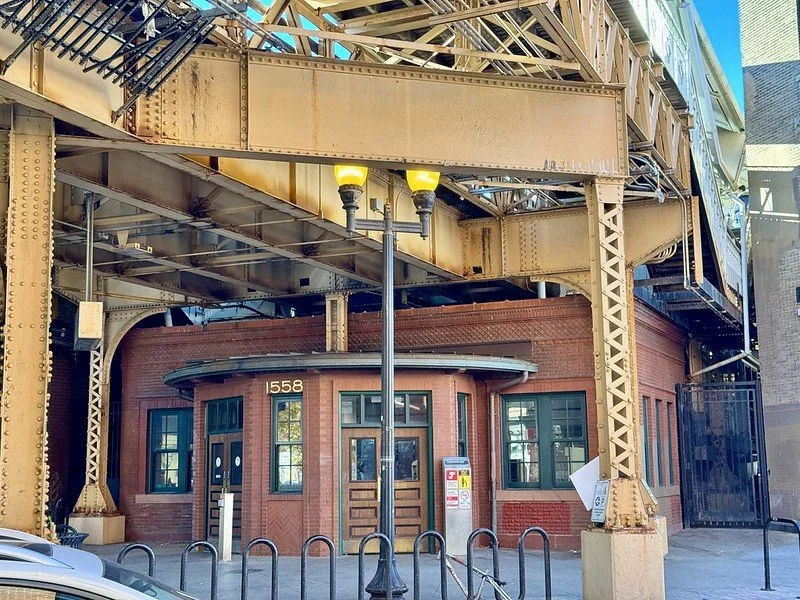
Damen Avenue Station, Damen Avenue, Wicker Park, Chicago, IL
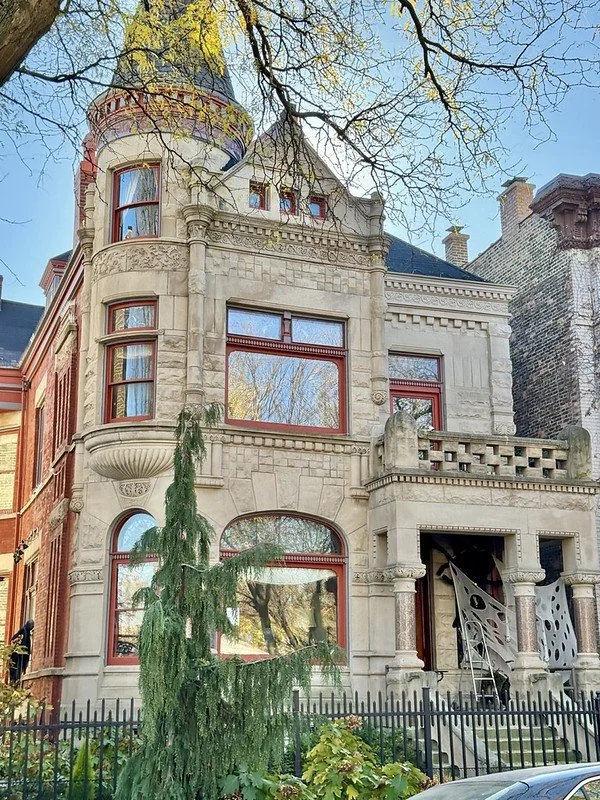
Harris Cohn House, Schiller Street, Wicker Park, Chicago, IL
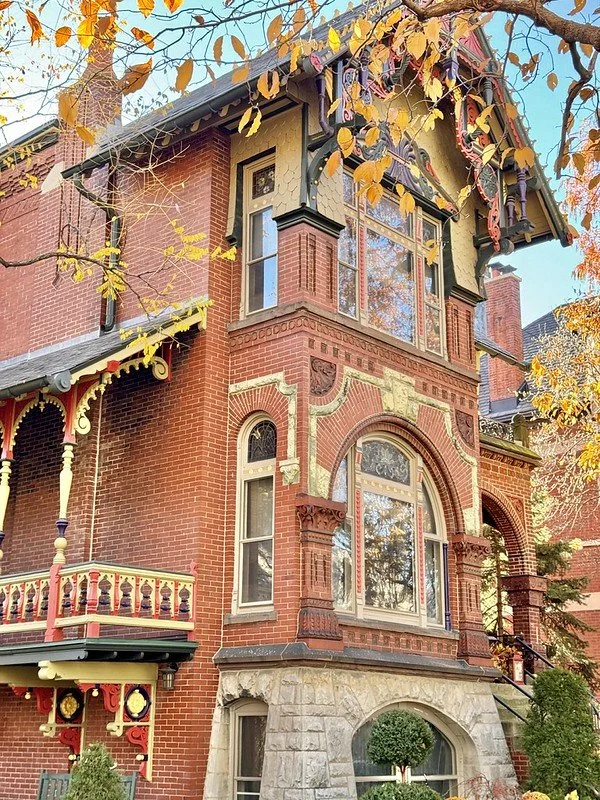
Herman Weinhardt House, Pierce Avenue, Wicker Park, Chicago, IL
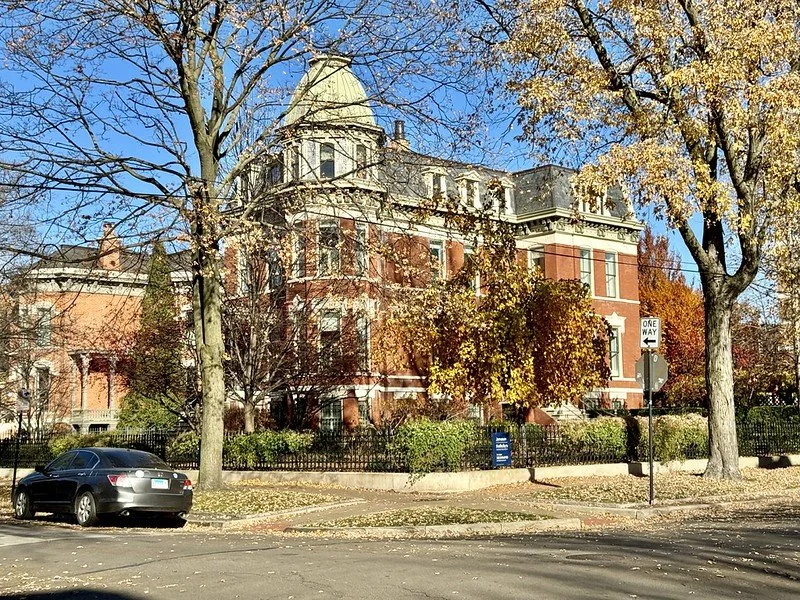
John H. Raap House, Hoyne Avenue and Schiller Street, Wicker Park, Chicago, IL
Get the Wicker Park Neighborhood Report
Current selling trends, median income, recent sale prices, commute times, and walkability.
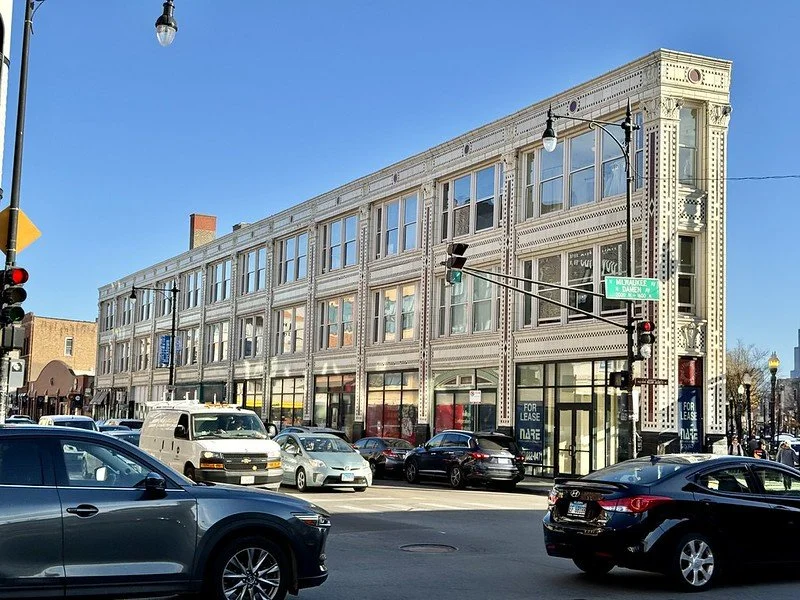
What People Are Saying
Here's how people who live in Wicker Park describe it, summarized from public resident reviews:
⬇
Ready to see more of West Town?